PEBL Test Library
Showing 80 of 80 tests

A single-item self-report measure of current emotional state using a 9x9 grid assessing pleasure-displeasure and arousal-sleepiness dimensions
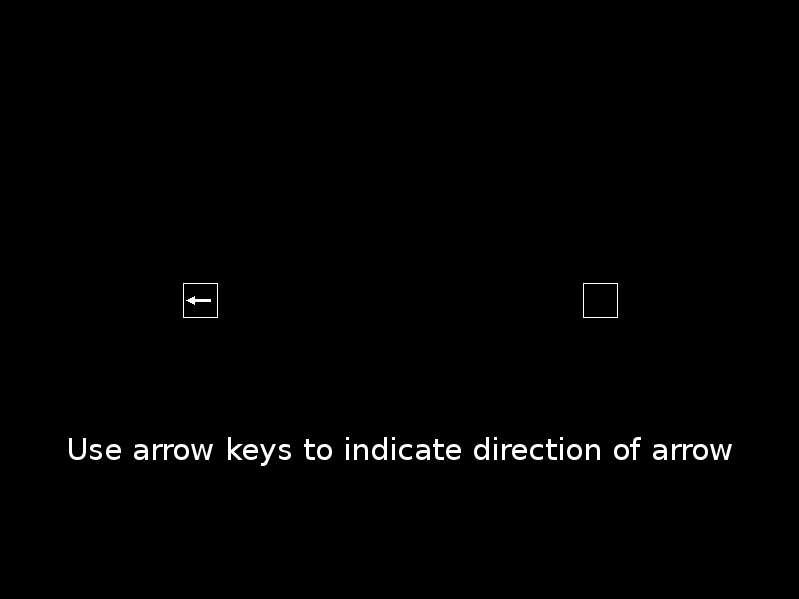
An inhibitory control task requiring participants to suppress the reflexive tendency to look at a peripheral cue. A cue appears on one side of the screen, followed by an arrow target on the opposite side. Participants must indicate the arrow's direction while avoiding looking at the initial cue, which would impair target perception. Involves a screen calibration routine so users can calibrate eccentricity based on paper, ruler, or credit card.
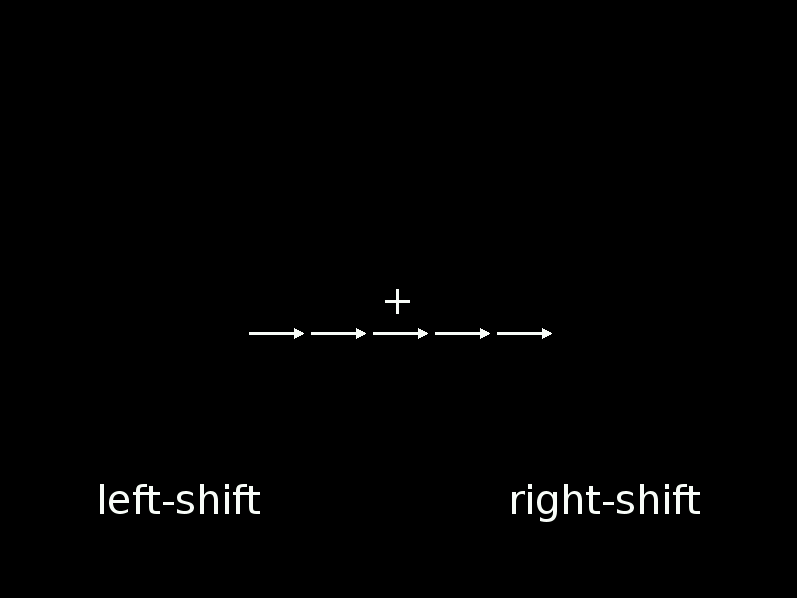
The PEBL Attentional Network Test (PANT) measures the efficiency of three attention networks: alerting, orienting, and executive control. Participants identify the direction of a central arrow while ignoring flanking arrows, with various cuing conditions to assess different attention components.
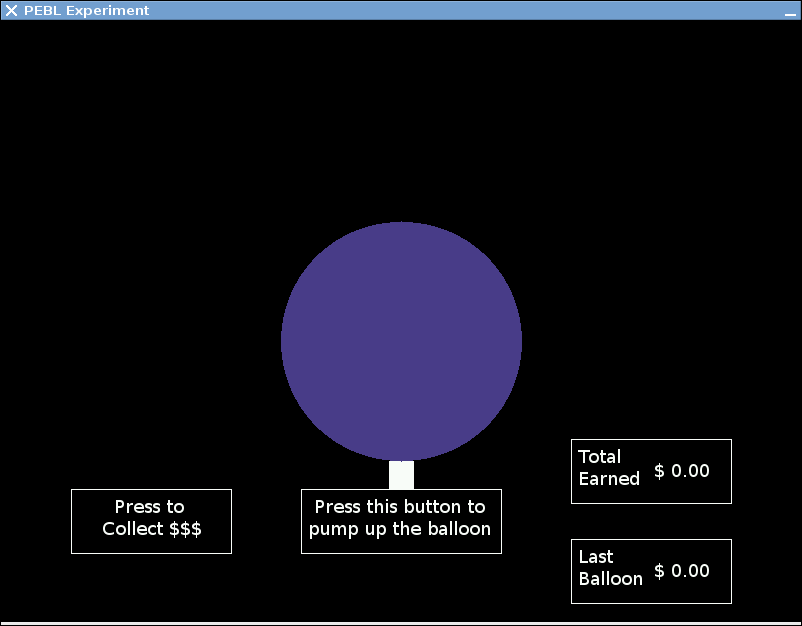
A measure of risk-taking behavior where participants inflate virtual balloons to earn points, balancing reward against the risk of the balloon popping.
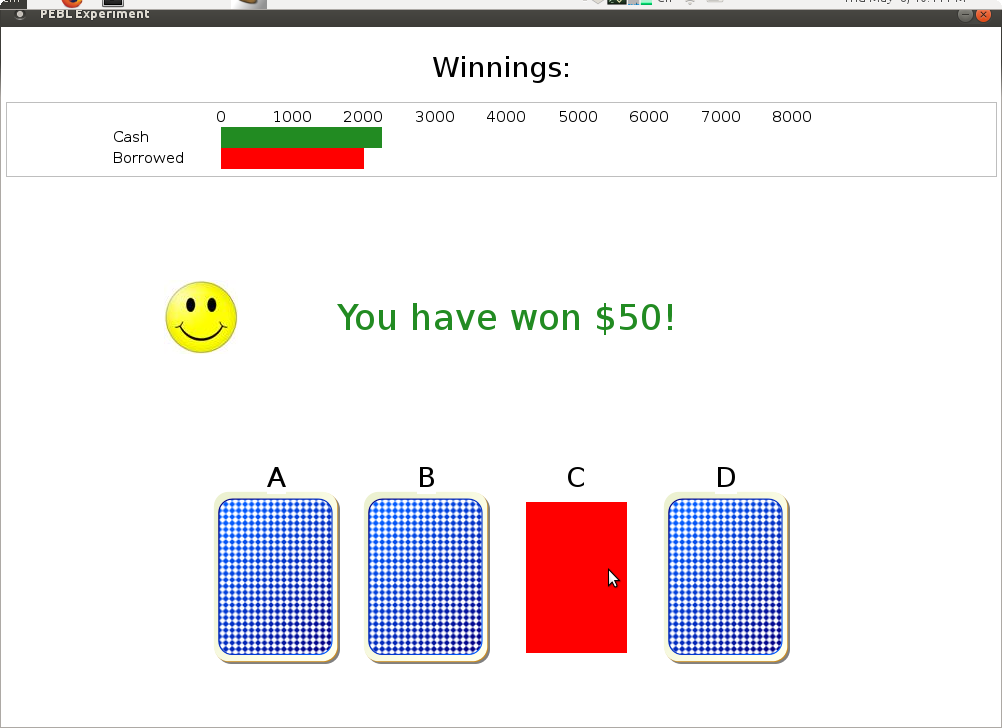
PEBL's "Bechara Gambling Task": an independent implementation of Bechara et al.'s so-called "Iowa Gambling Task". Choose which option and receive rewards and costs. This version, by Peter Bull, is a substantial improvement over the original PEBL test, which is still available as iowa-old.pbl if needed.
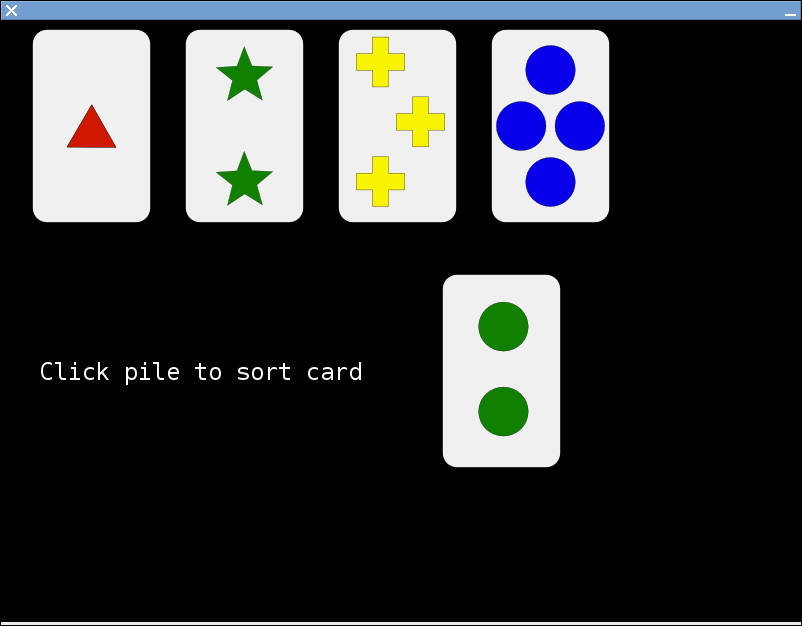
A test of executive function and cognitive flexibility where participants sort cards according to changing rules.
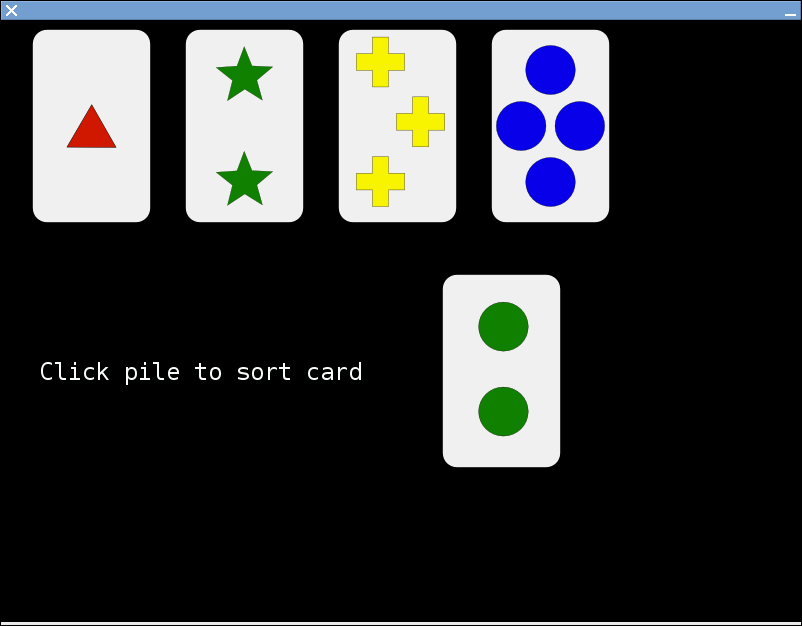
A shorter version of the Berg Card Sorting Test using a 64-card deck instead of the standard 128-card deck, providing a quicker assessment of executive function and cognitive flexibility.
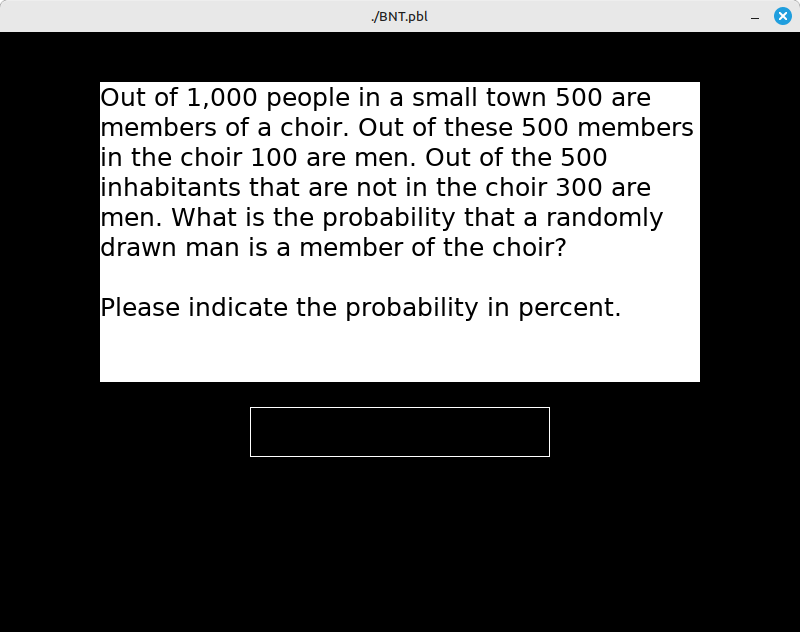
A brief test measuring statistical numeracy and risk literacy through probability questions
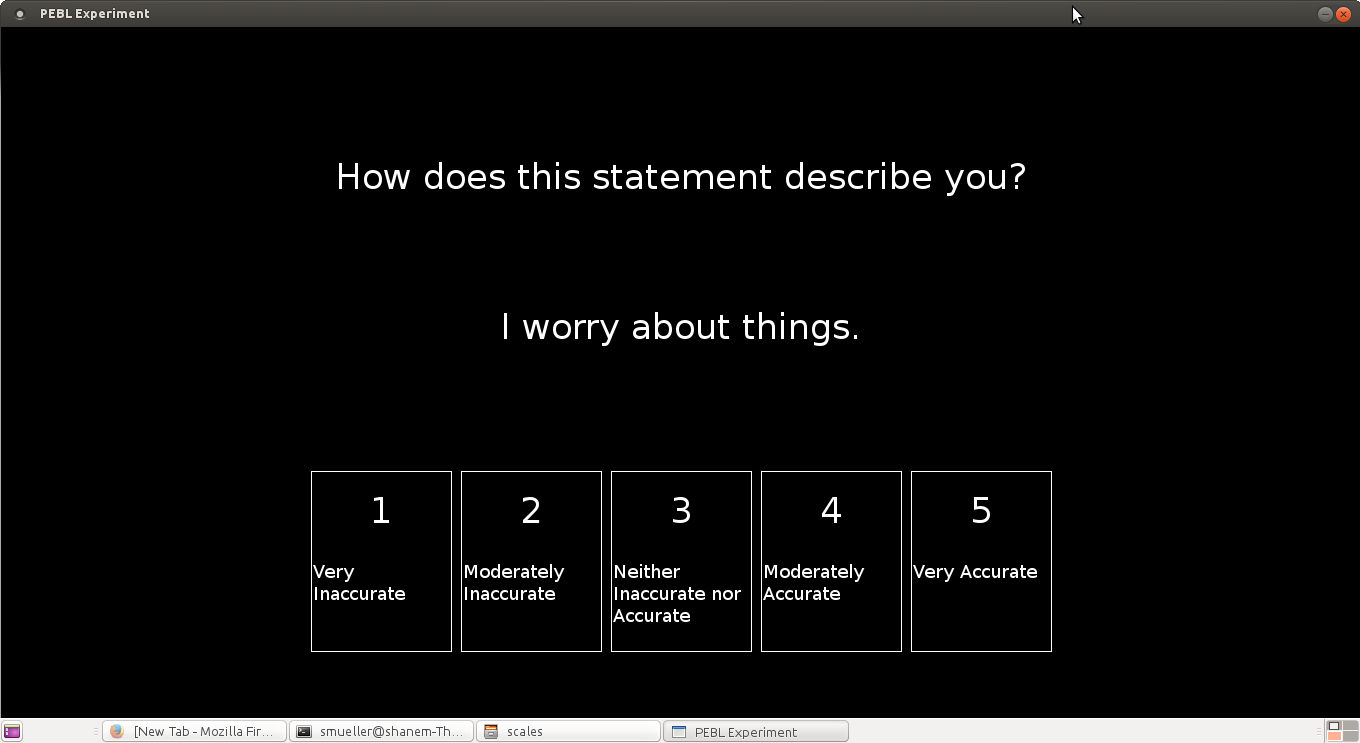
50-item IPIP representation of the Goldberg (1992) markers for the Big-Five factor structure, measuring Extraversion, Agreeableness, Conscientiousness, Emotional Stability, and Intellect/Imagination.
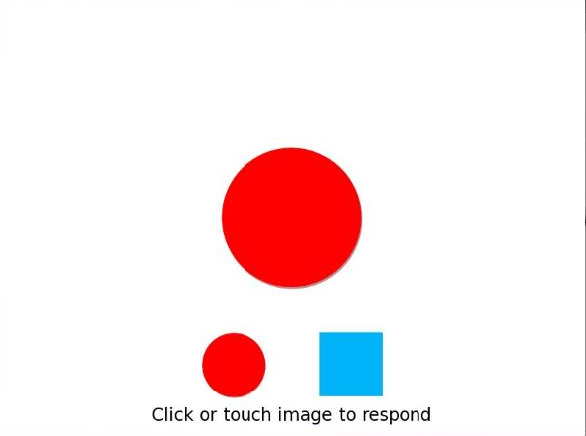
The Bivalent Shape Task Version 1.0 (Esposito et al., 2014). A simple nonverbal dimensional filtering task akin to the stroop task.
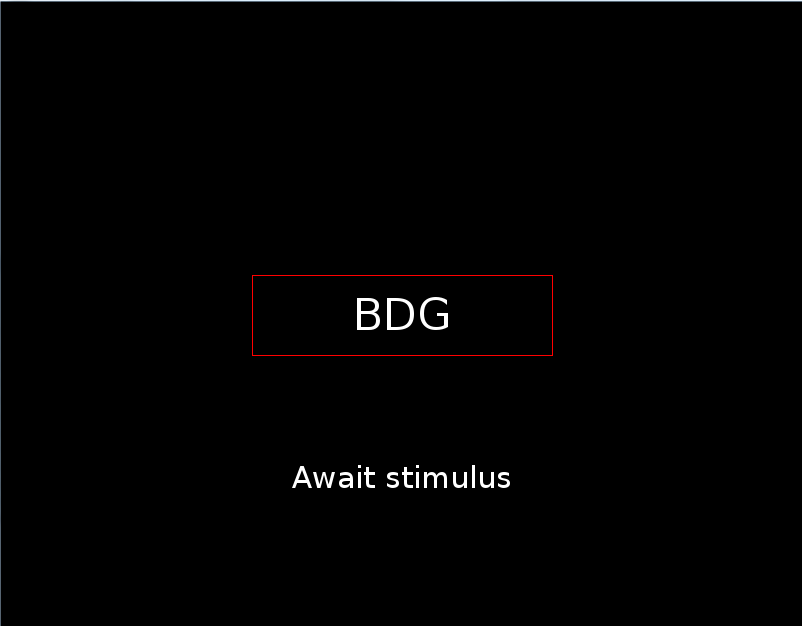
A short-term memory task where participants memorize consonant trigrams and recall them after a distractor-filled delay.
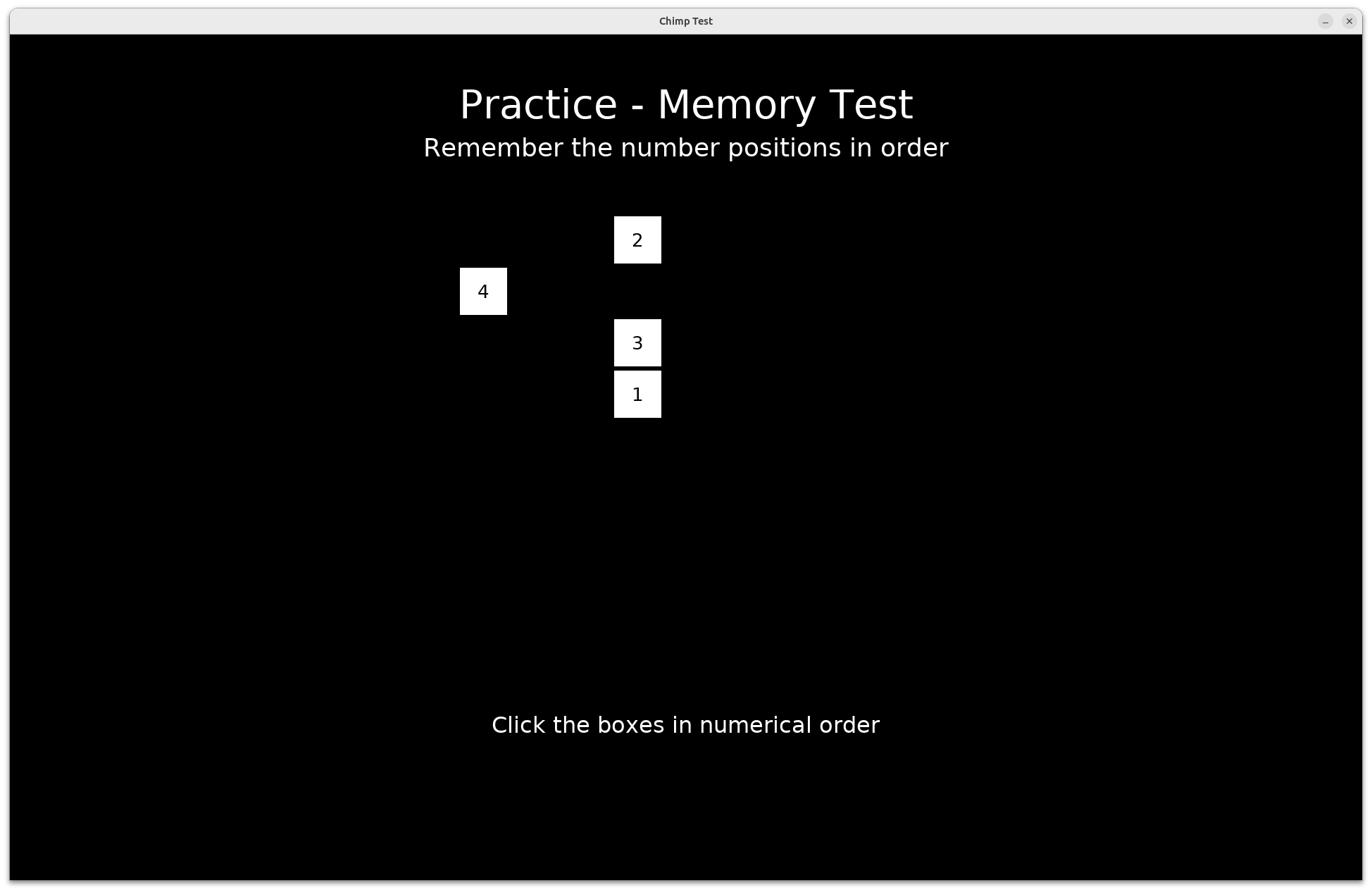
An iconic/eidetic and spatial memory task based on the famous Ayumu chimp memory test. Participants must memorize spatial positions of numbered boxes displayed briefly on a grid, then click them in numerical order.
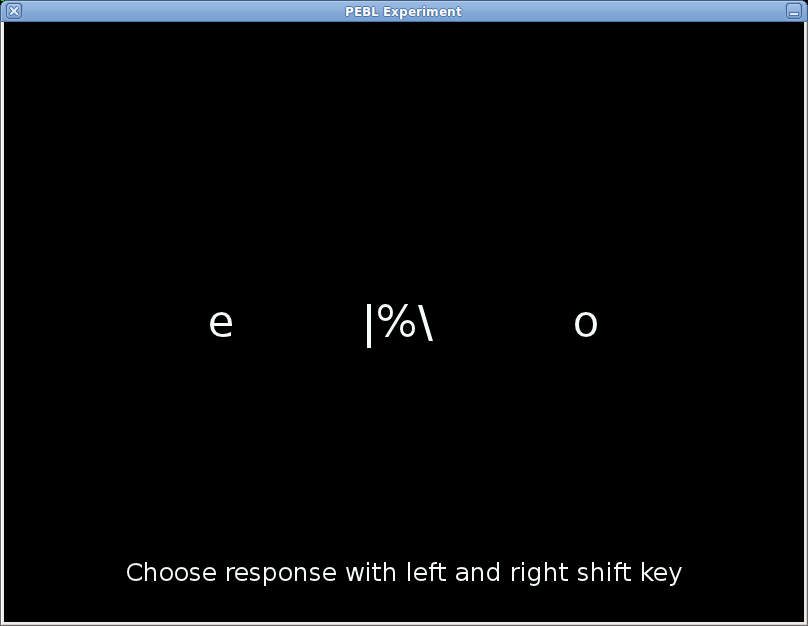
A simple choice reaction time task where participants type the letter displayed on screen as quickly as possible. Measures basic processing speed and response selection.
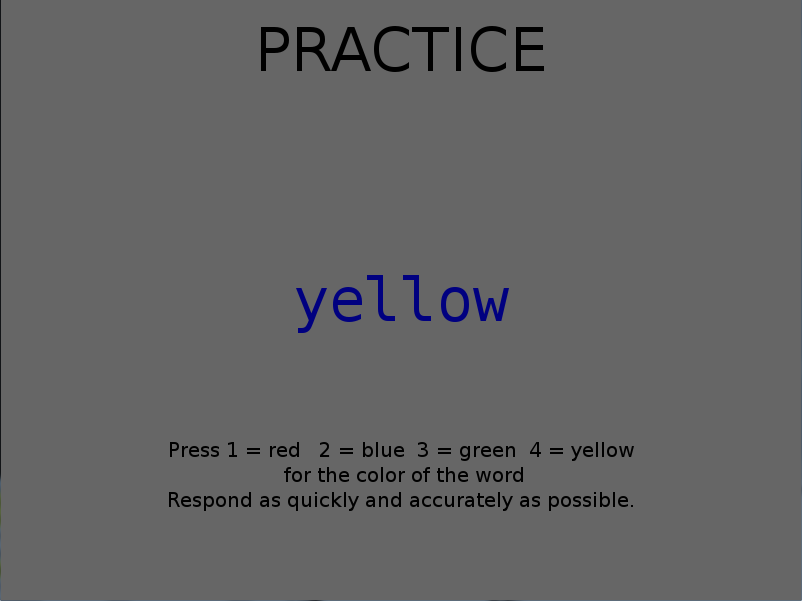
A classic executive function task measuring inhibitory control by requiring participants to name the ink color of color words while ignoring the semantic meaning of the word itself.
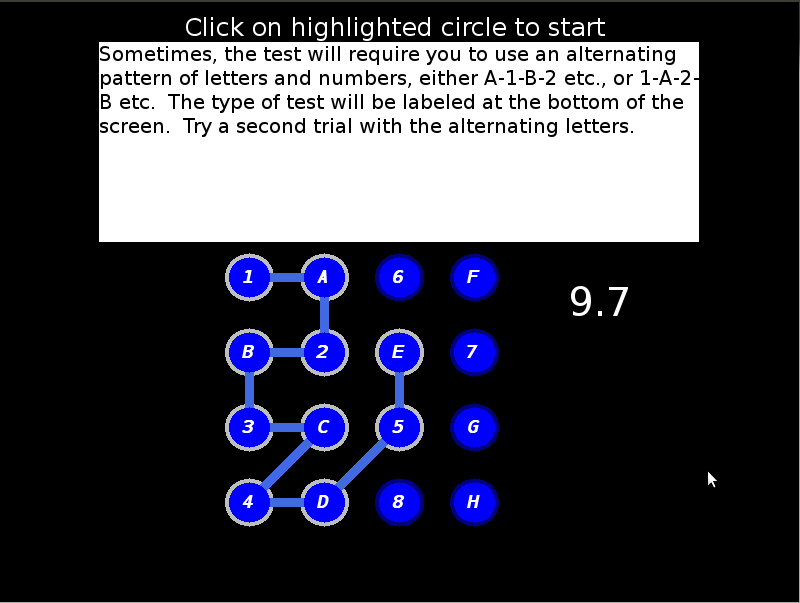
A variant of the Trail Making Test requiring participants to connect circles in sequence using numbers (1-2-3-4), letters (A-B-C-D), or alternating patterns (1-A-2-B or A-1-B-2). Tests cognitive flexibility, task switching, and visual search speed.
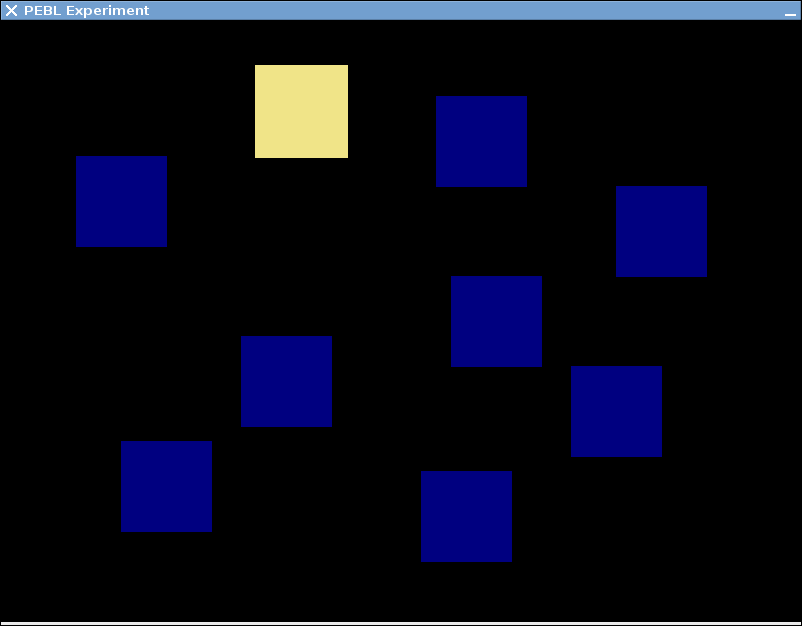
PEBL Corsi blocks test is a visual-spatial working memory test. Subjects are asked to replicate sequences of clicks onto a set of spatially-arrayed square targets.
A test of verbal working memory where participants recall sequences of digits in forward and backward order. See spanvariants for an improved more flexible test
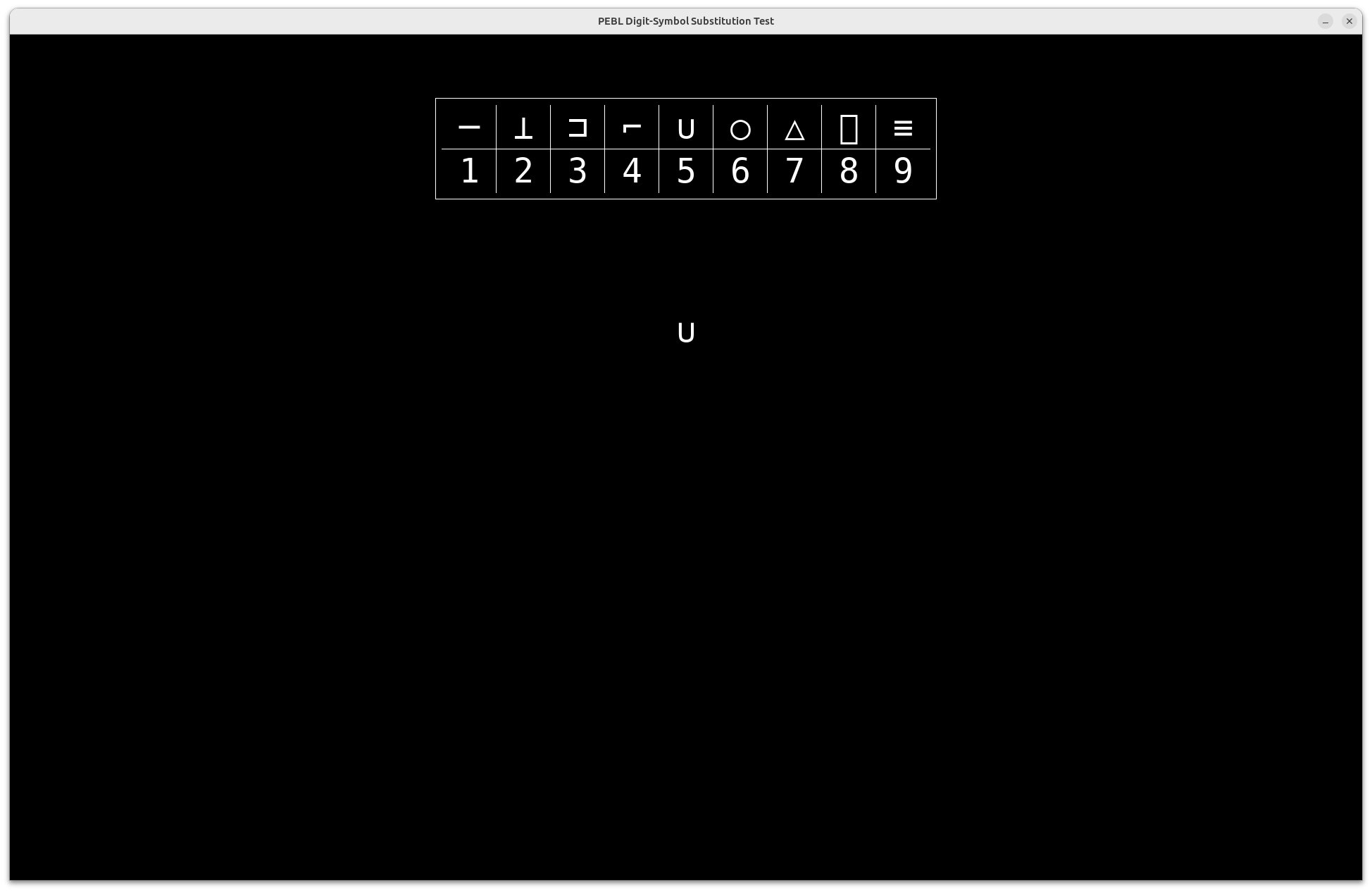
A processing speed and associative learning task requiring participants to match symbols with digits or letters with digits using a mapping key displayed on screen.
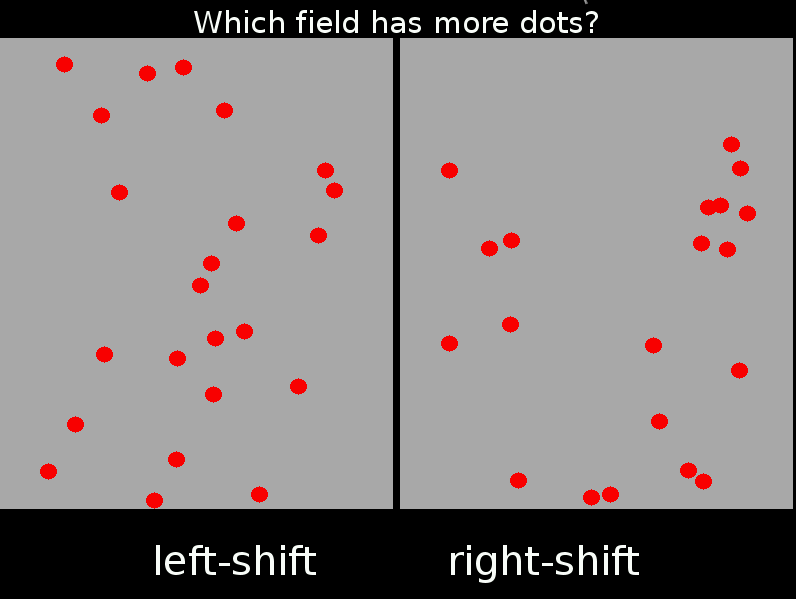
A perceptual numerosity judgment task using interleaved staircase procedures to estimate thresholds.
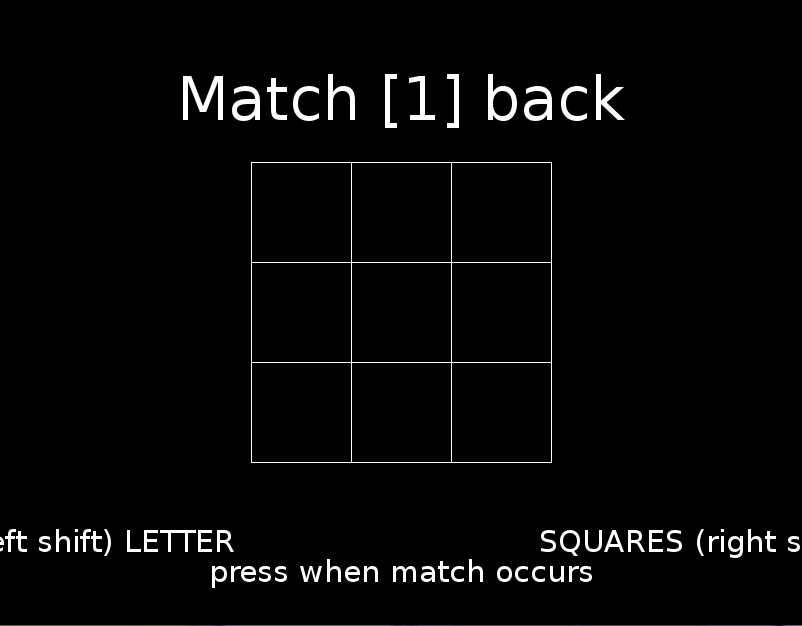
Working memory task that requires participants to monitor and respond when stimuli (letters/numbers and/or spatial positions) match those presented n trials back.
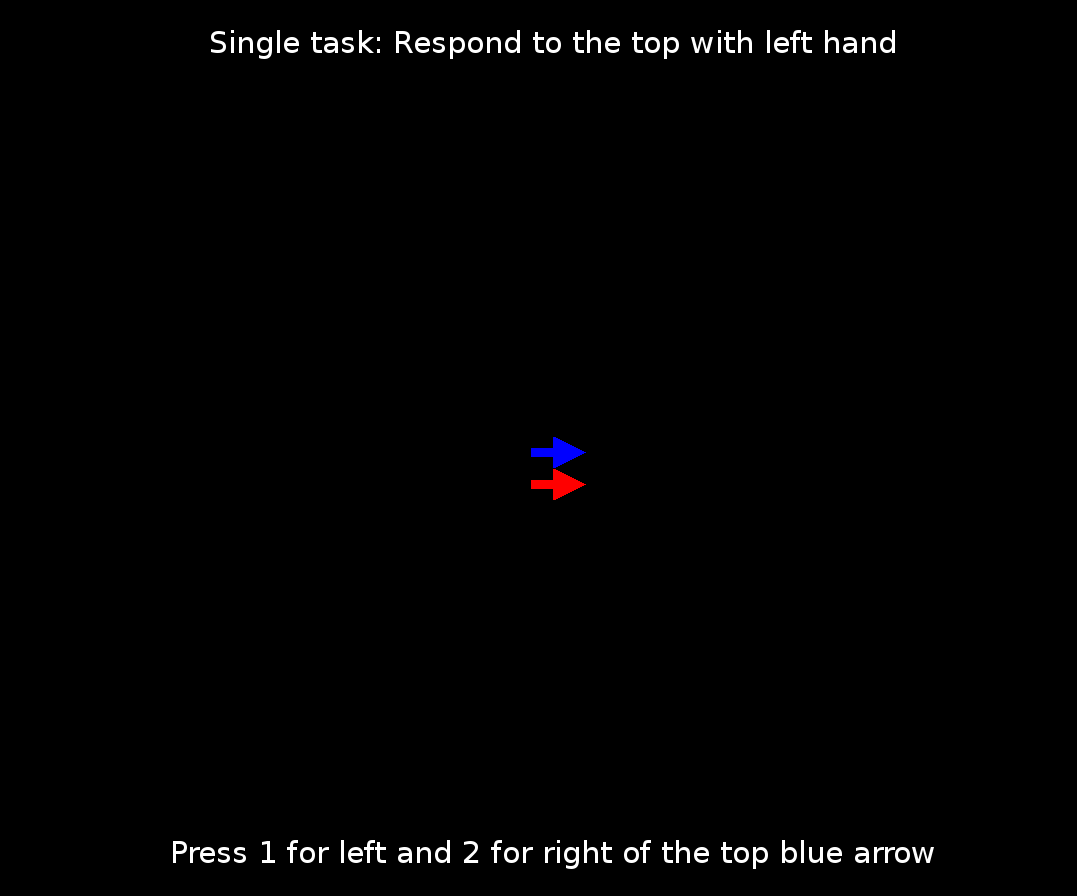
Multi-task performance test measuring dual-task interference by comparing single-task and dual-task performance on two independent response dimensions.
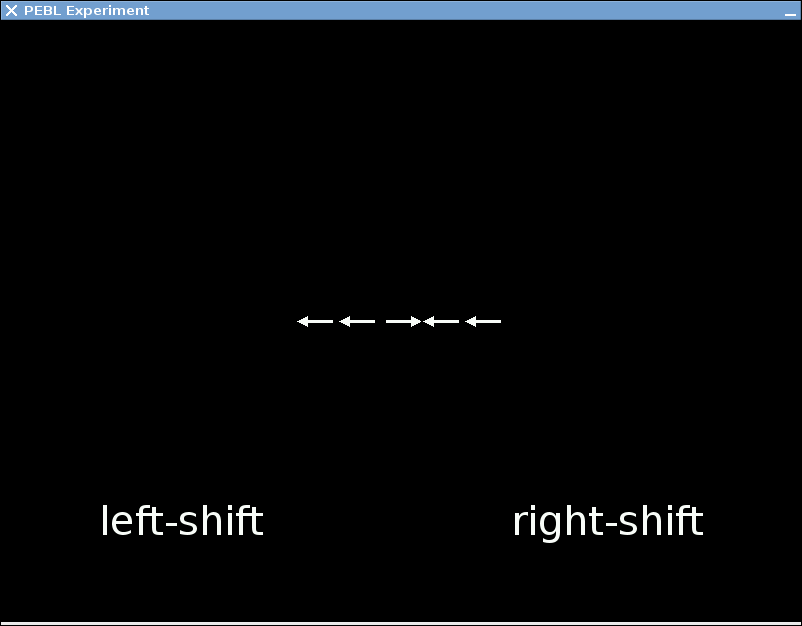
An implementation of the Eriksen Flanker Task, a test of selective attention and response inhibition where participants identify a central target while ignoring flanking distractors.
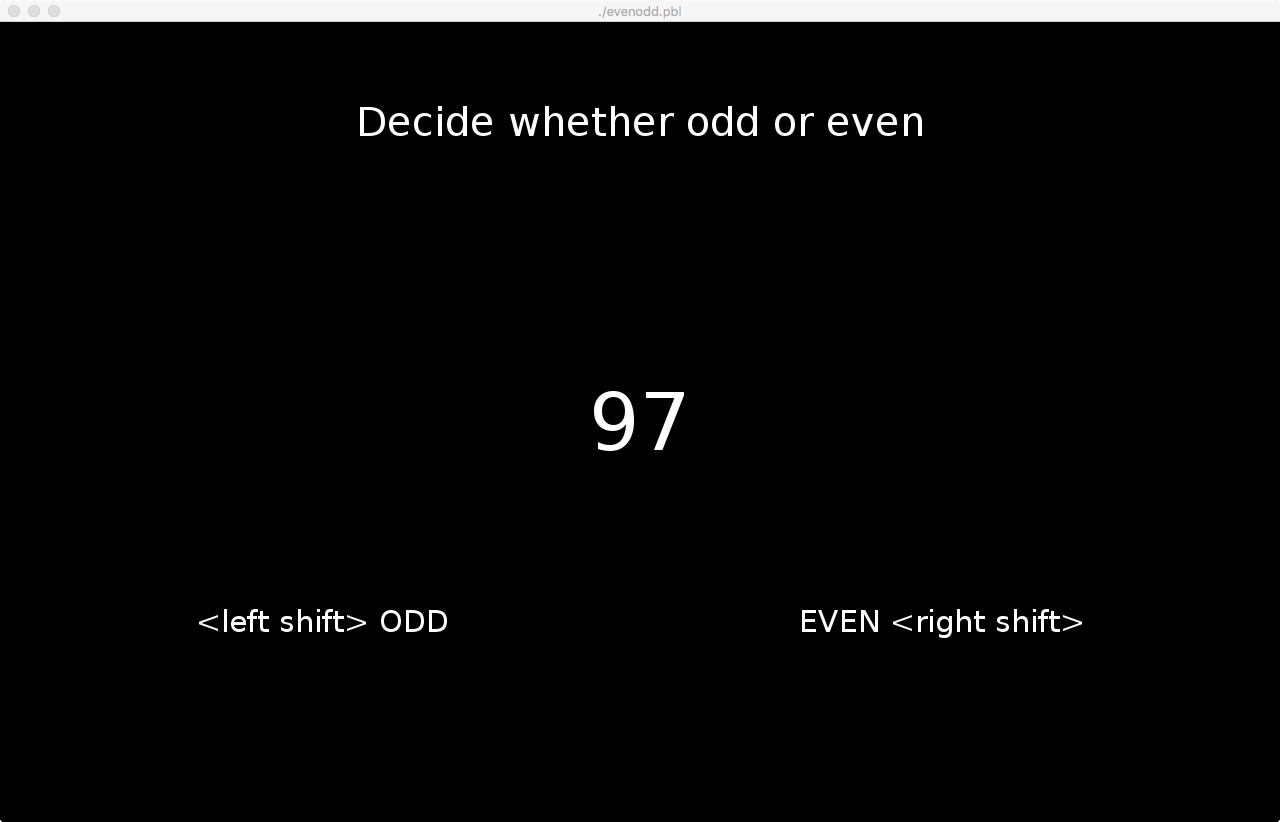
A brief number classification test in which participants judge whether a number is even or odd.
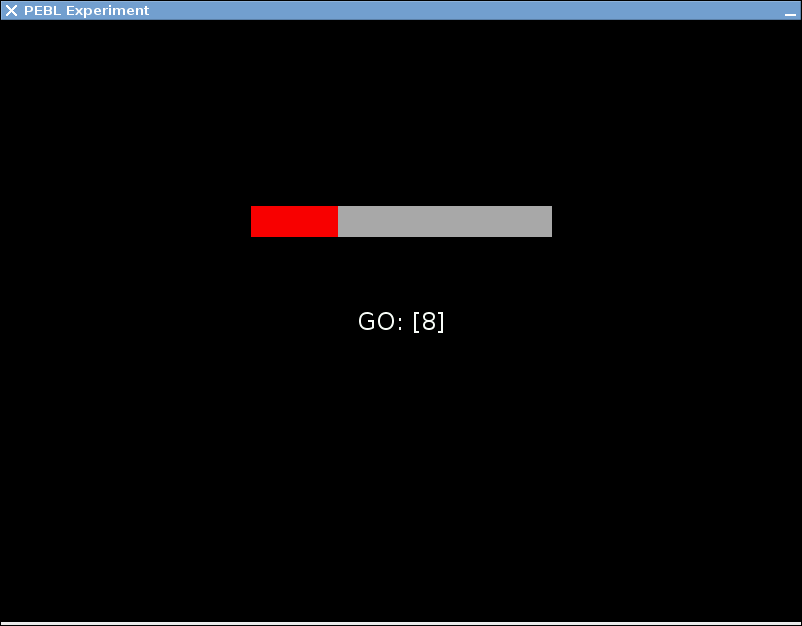
A keyboard tapping task measuring low-level motor ability and psychomotor speed. Modeled after the Finger Tapping or Oscillation task from the Reitan Test Battery. Participants tap a key as quickly as possible for multiple trials, testing dominant and/or non-dominant hand.
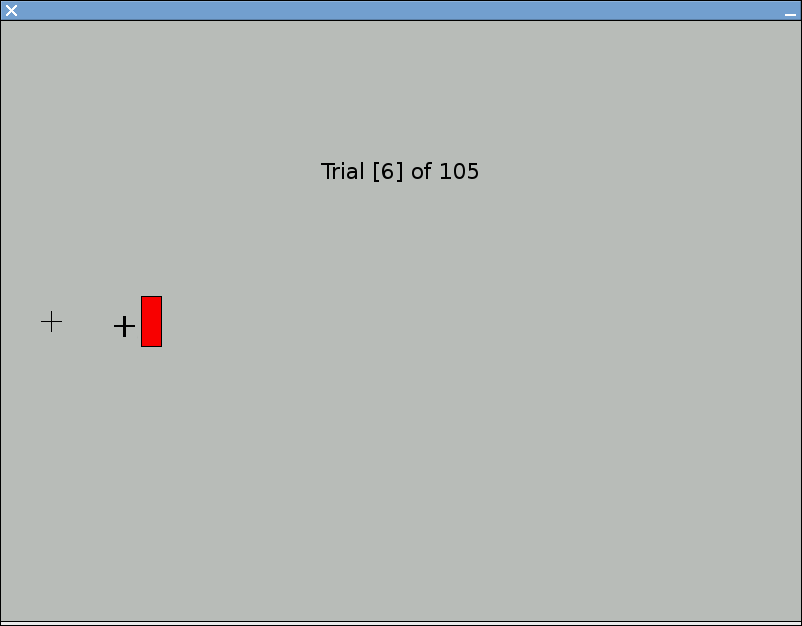
Classic motor control task measuring the speed-accuracy tradeoff in rapid aimed movements. Tests the relationship between movement time, distance, and target size, following Fitts' Law (MT = a + b*log2(2D/W)).
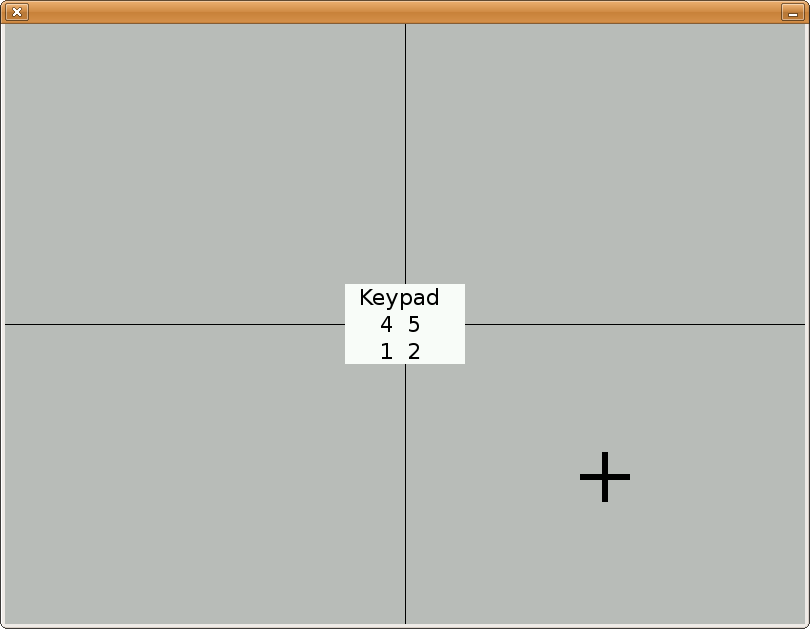
A four-choice serial reaction time task from the UTC test battery (Wilkinson & Houghton, 1975). A plus sign appears in one of four screen quadrants, and participants press the corresponding key as quickly as possible. Optional auditory feedback for lapses.
Navon hierarchical letter task examining global vs. local visual processing and attentional focus. Participants respond to either small letters or large letter shapes composed of smaller letters, testing the ability to selectively attend to different levels of hierarchical visual stimuli.
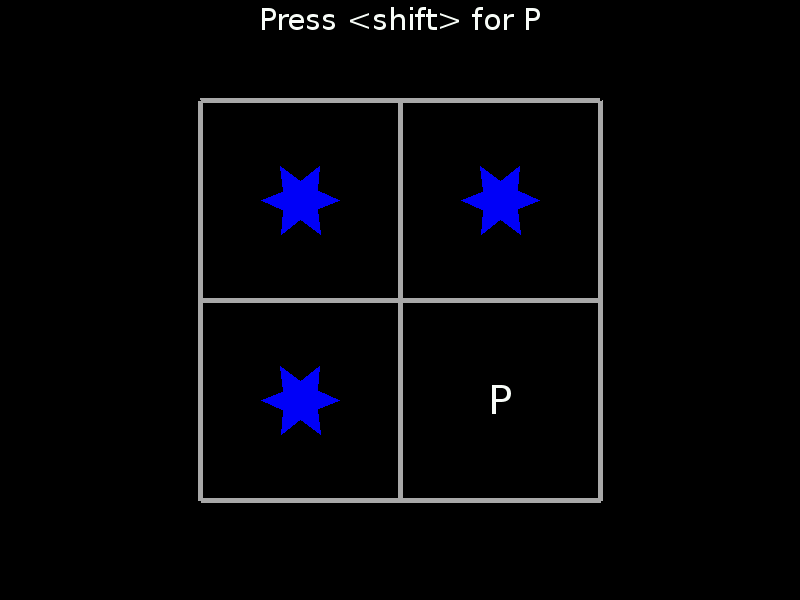
A continuous performance task measuring sustained attention and response inhibition. Participants respond to frequent target stimuli (Go trials) while withholding responses to rare non-target stimuli (No-Go trials).
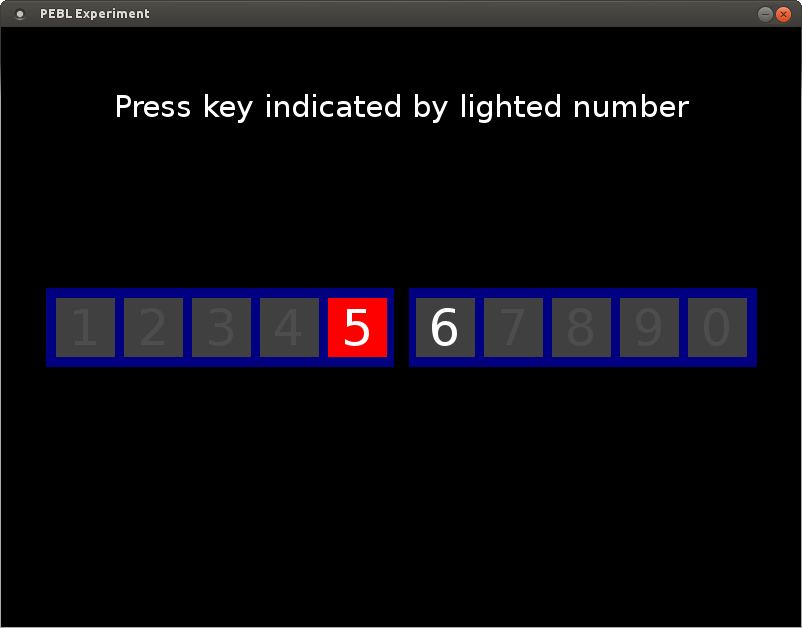
Demonstration of Hick's Law showing that reaction time increases logarithmically with the number of response choices
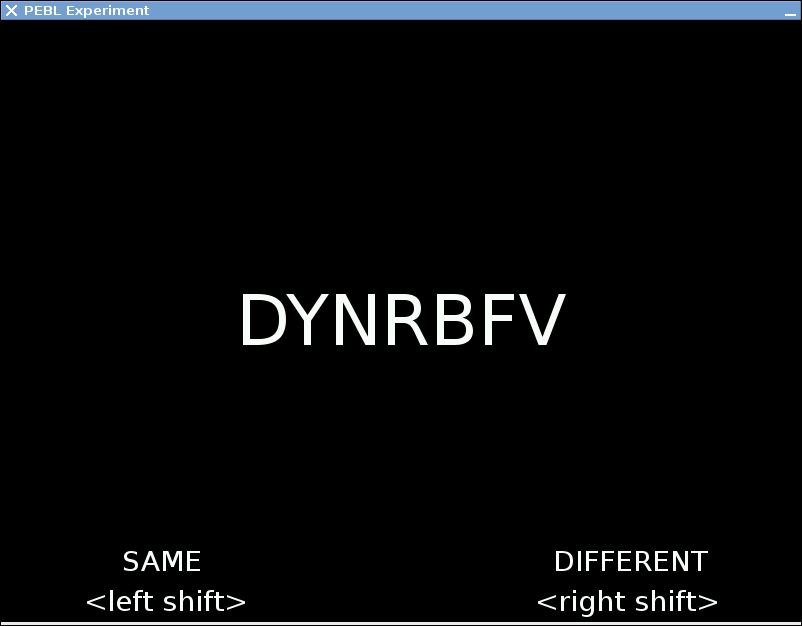
A short-term memory task testing both item and order memory for consonant sequences.
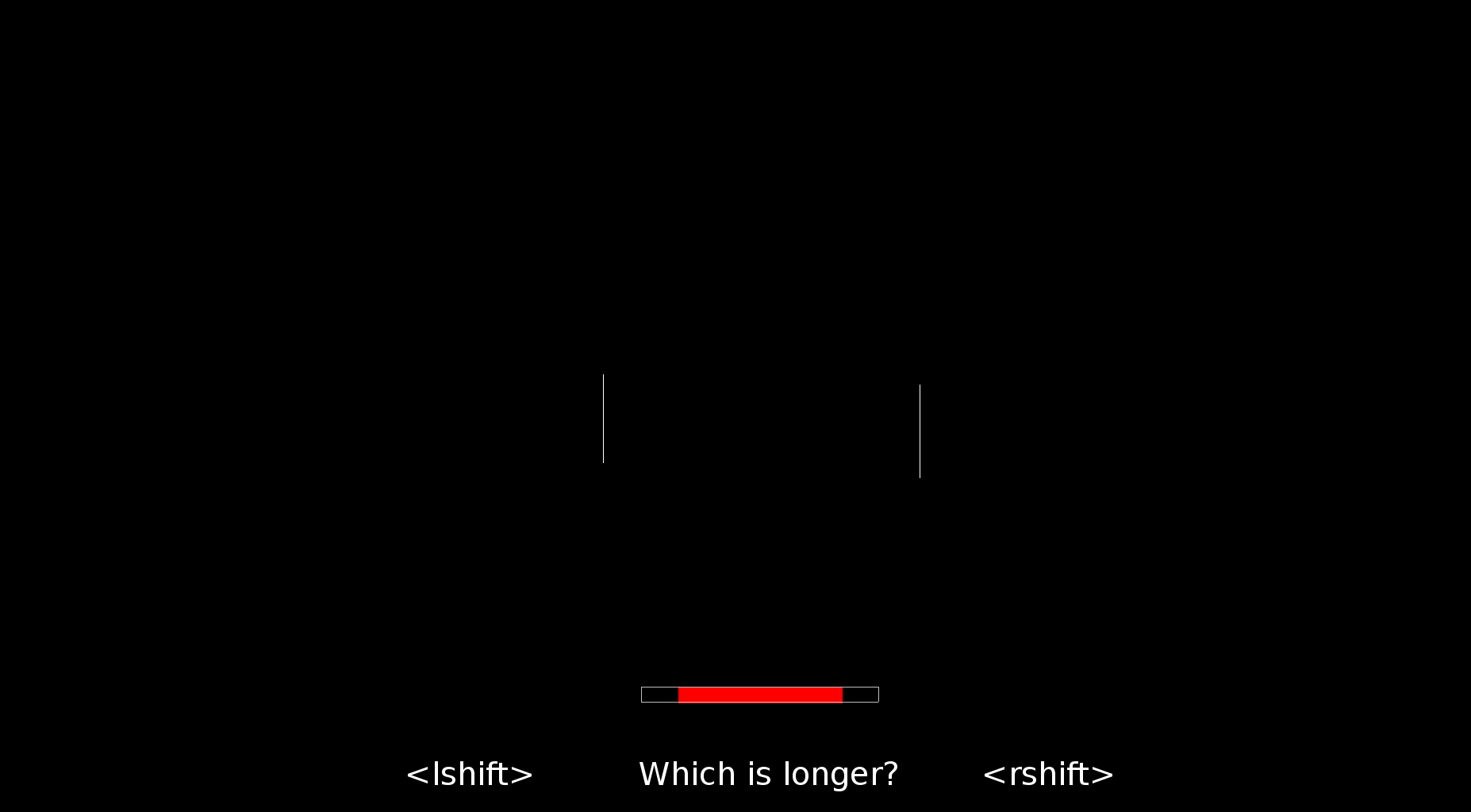
A speed-accuracy tradeoff task based on Henmon (1910) where participants quickly discriminate which of two vertical lines is longer under varying deadline conditions.
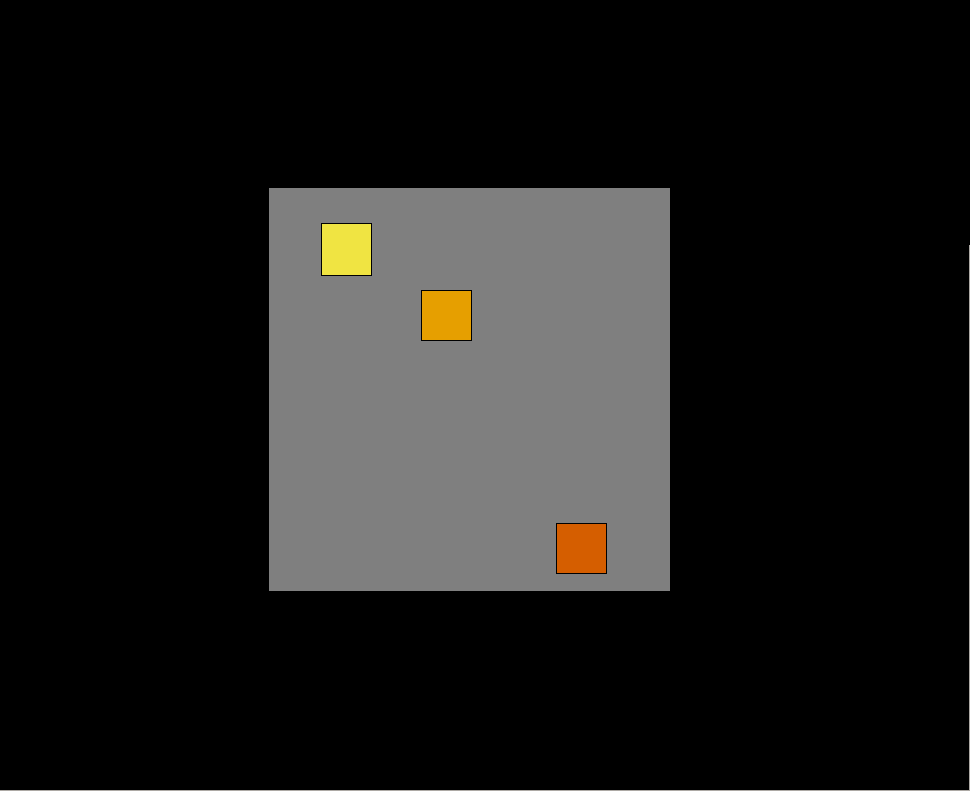
Visual working memory task that requires participants to detect changes in arrays of colored objects, measuring visual working memory capacity.
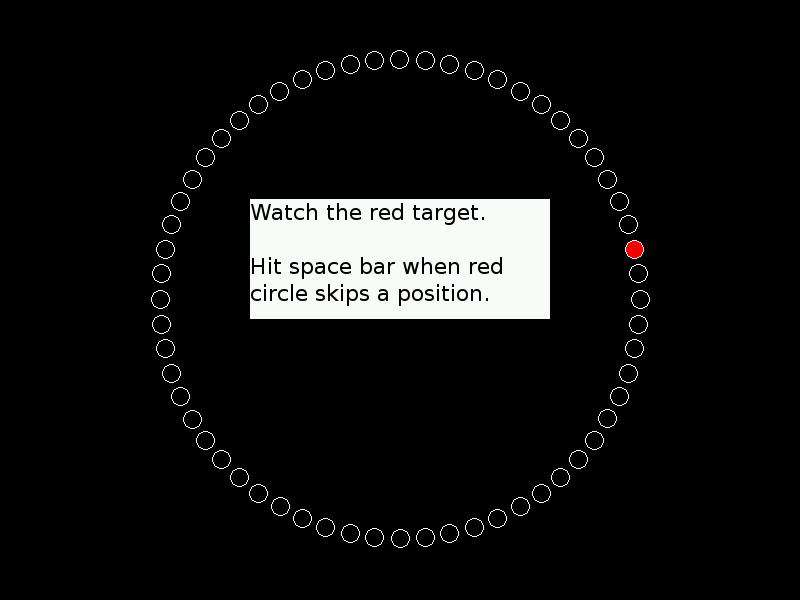
PEBL Clock Test. An implementation of the Mackworth Clock Test. A sustained visual attention task--Watch for a clock to skip a beat.
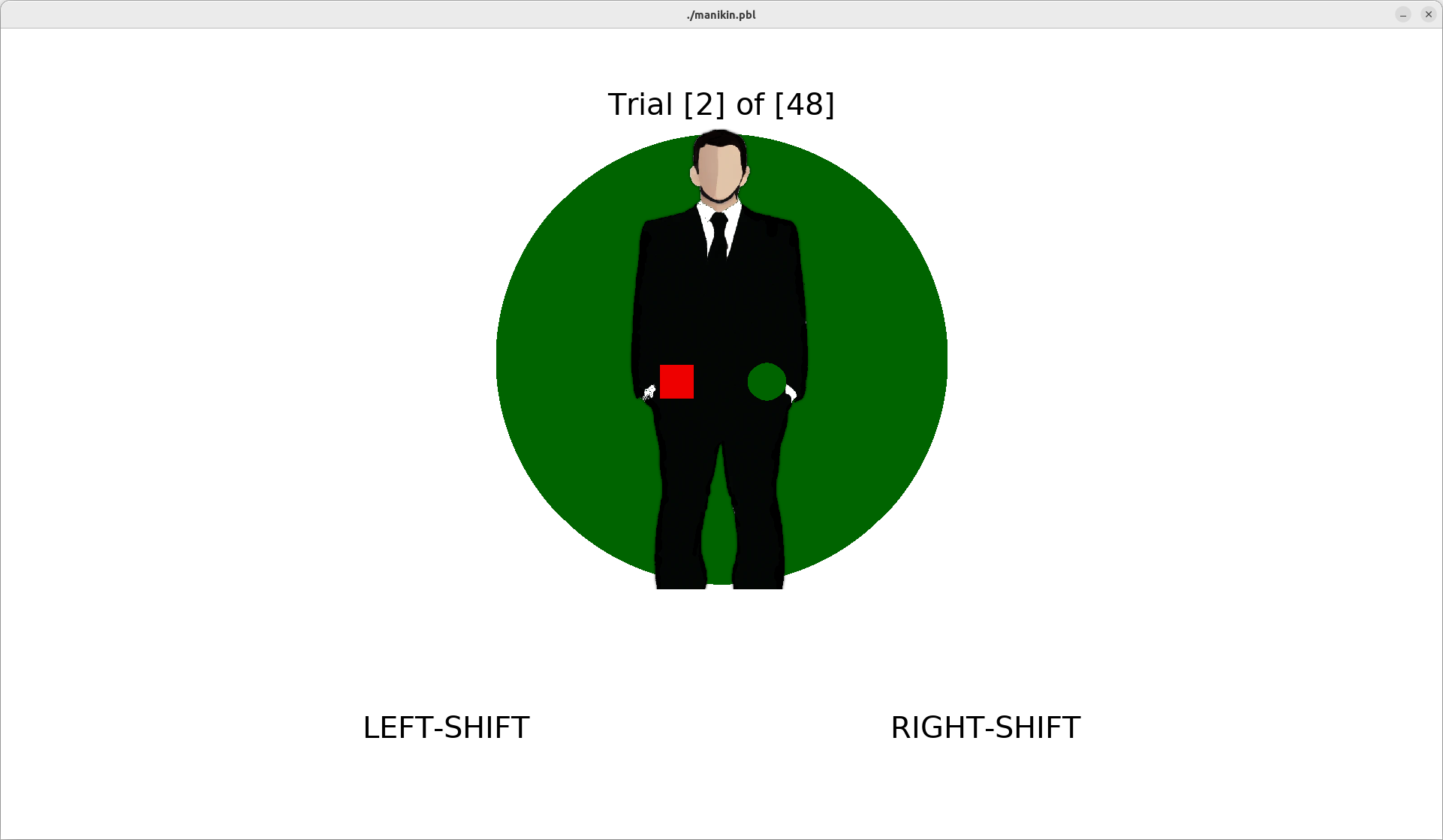
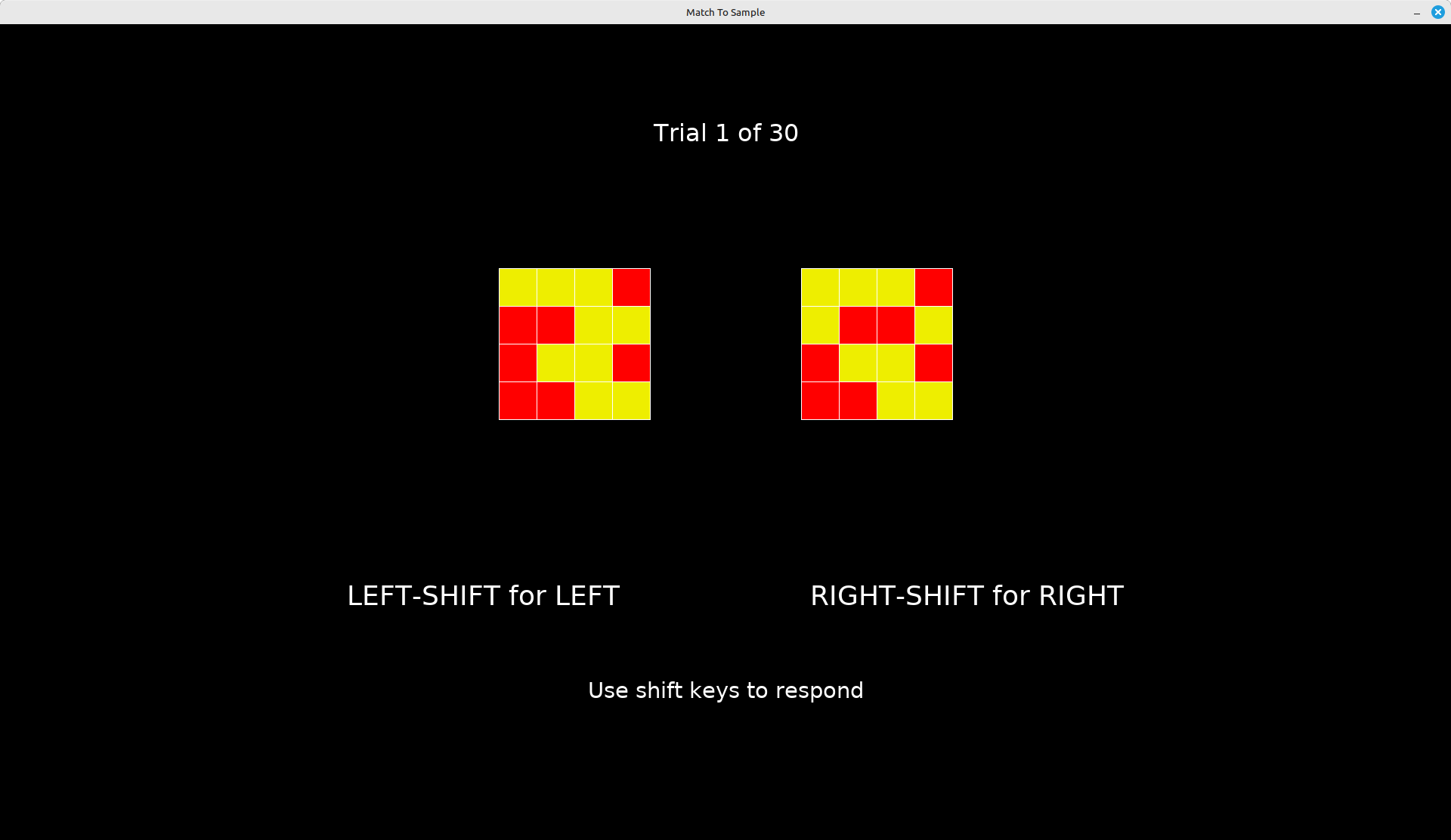
A visual short-term memory task where participants memorize a grid pattern and identify it from two alternatives after a delay.
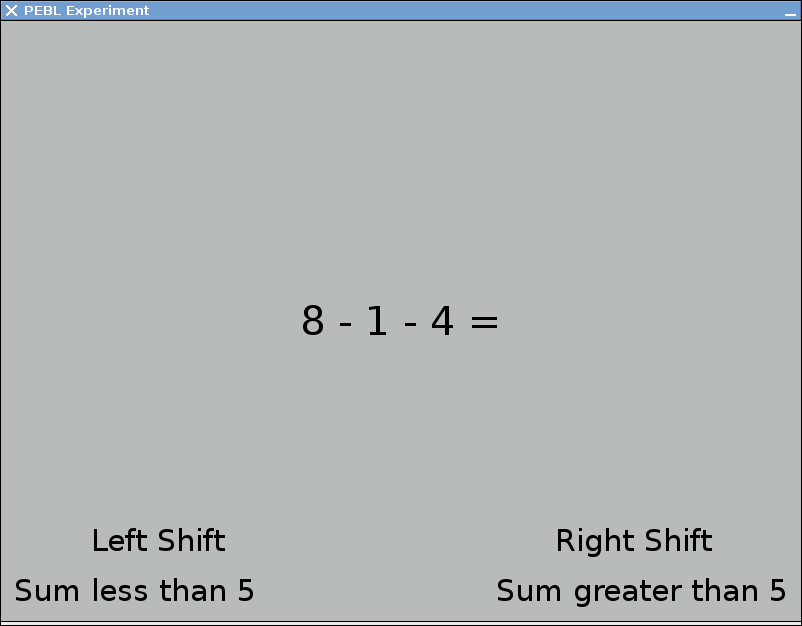
A timed arithmetic verification task based on the UTC test battery. Participants solve simple addition and subtraction problems and judge whether the answer is greater or less than 5.
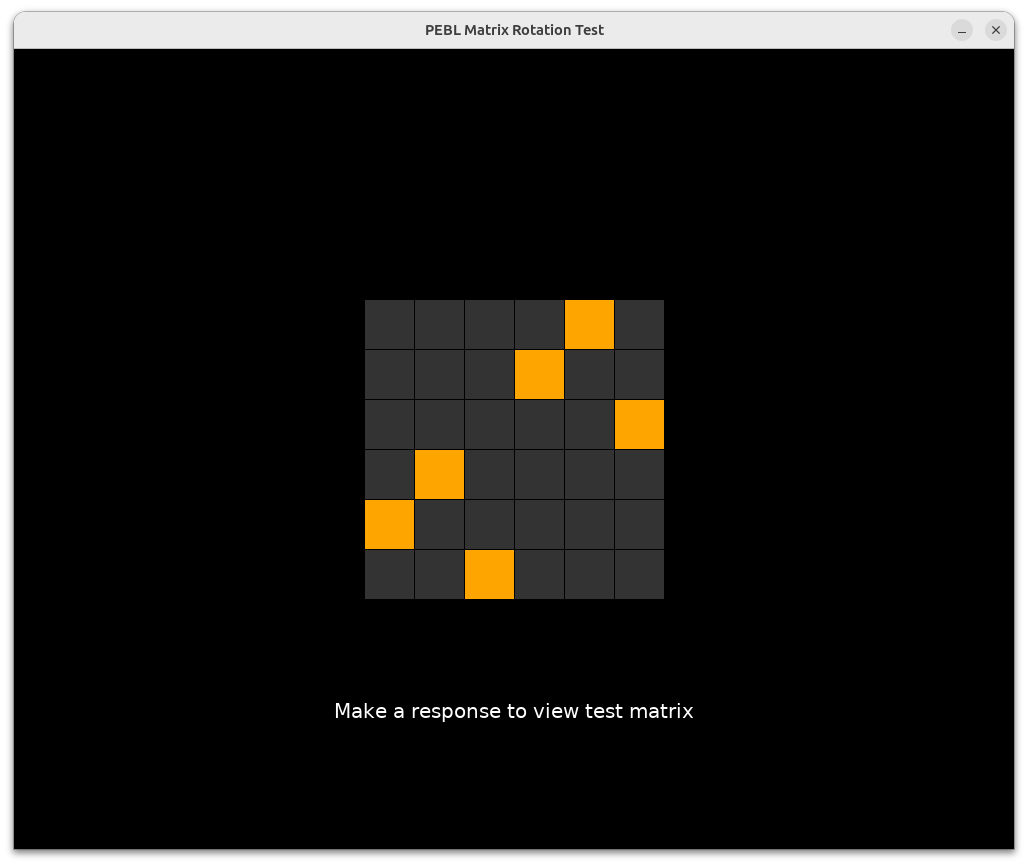
Mental imagery task examining ability to mentally rotate grid patterns to compare with another pattern.
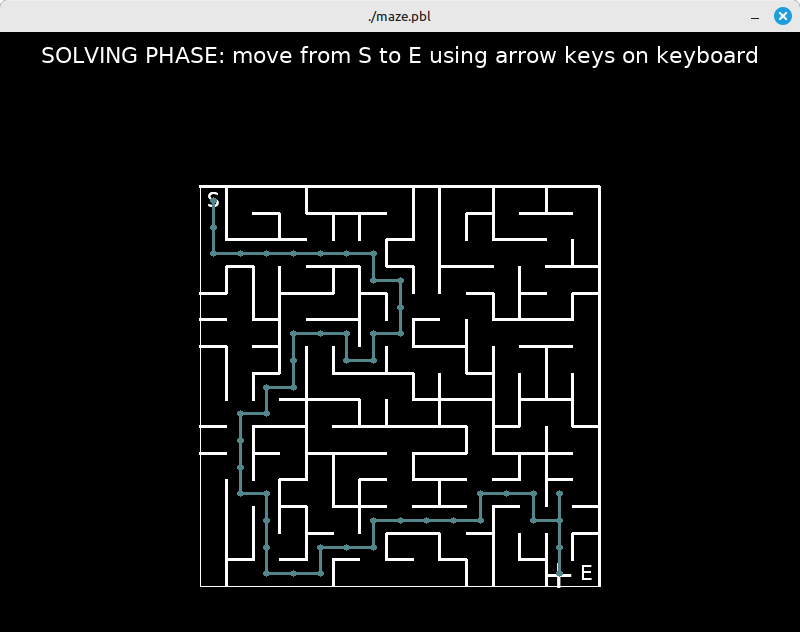
A spatial reasoning and planning task requiring participants to solve mazes by finding the shortest path from start to finish. Uses Kruskal algorithm-generated mazes with guaranteed solutions.
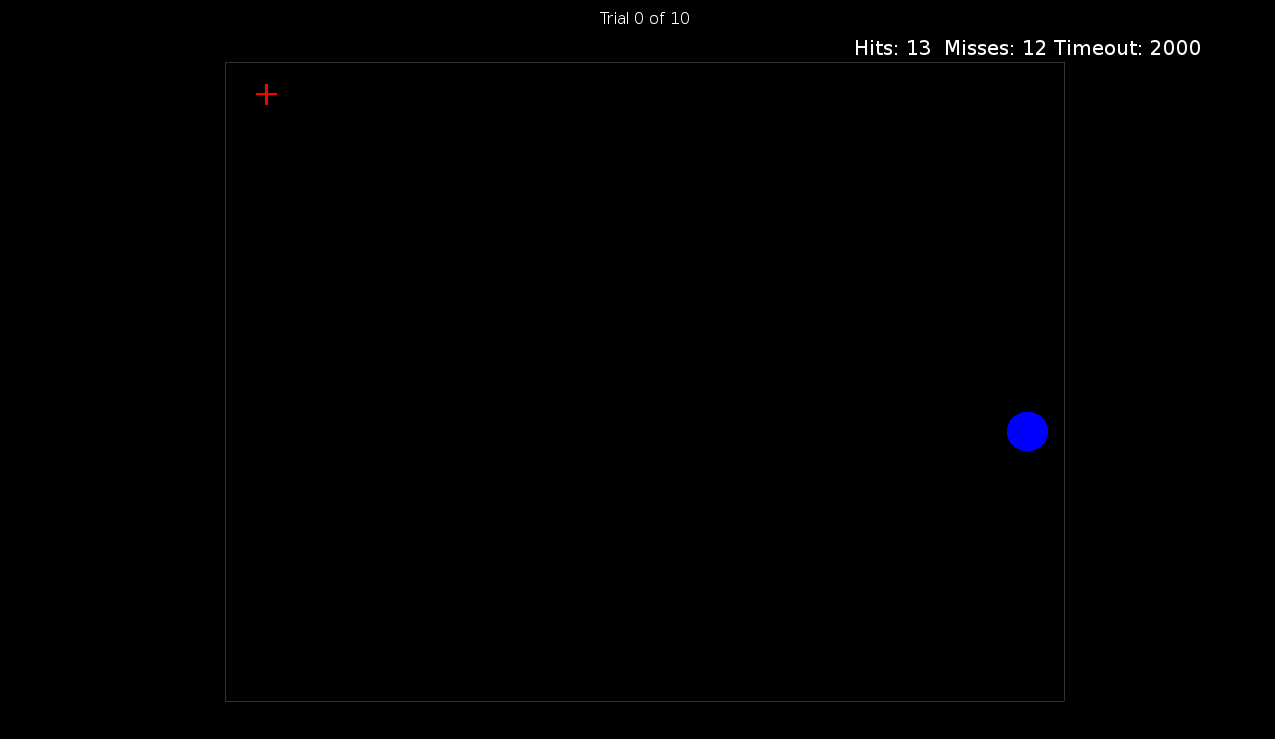
Rapid pointing task measuring visuomotor coordination and sensorimotor adaptation with axis reversal (default configuration)
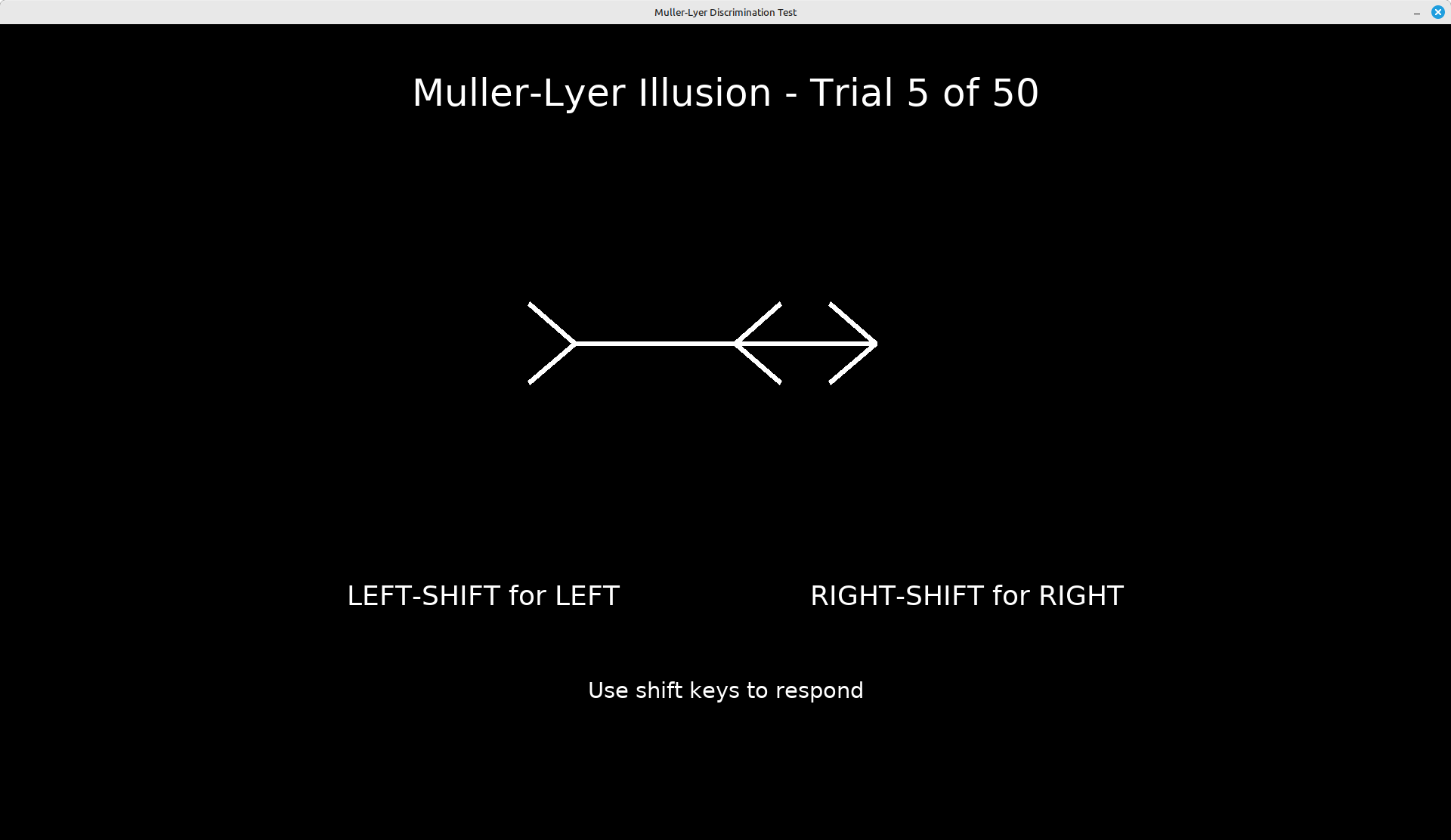
Psychometric study of the classic Muller-Lyer illusion using an adaptive staircase to find the point of subjective equality.
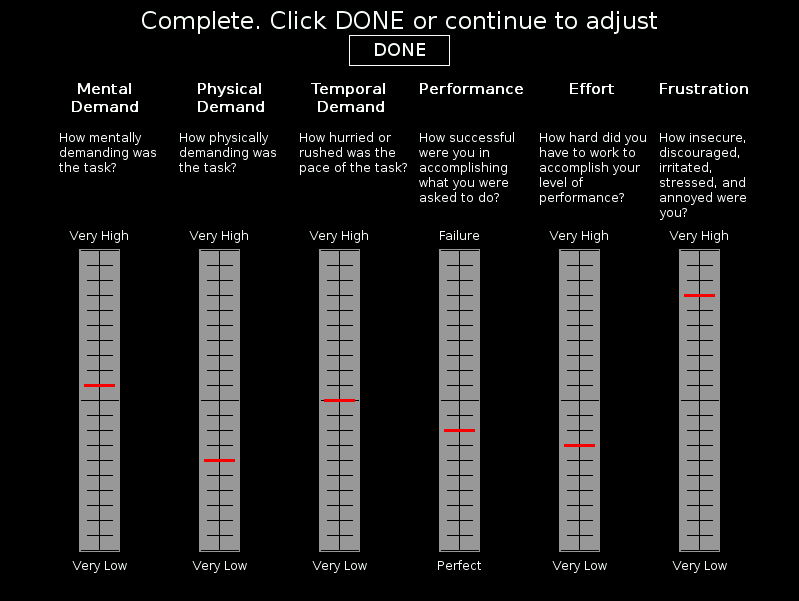
A multidimensional assessment tool for measuring subjective workload across six dimensions
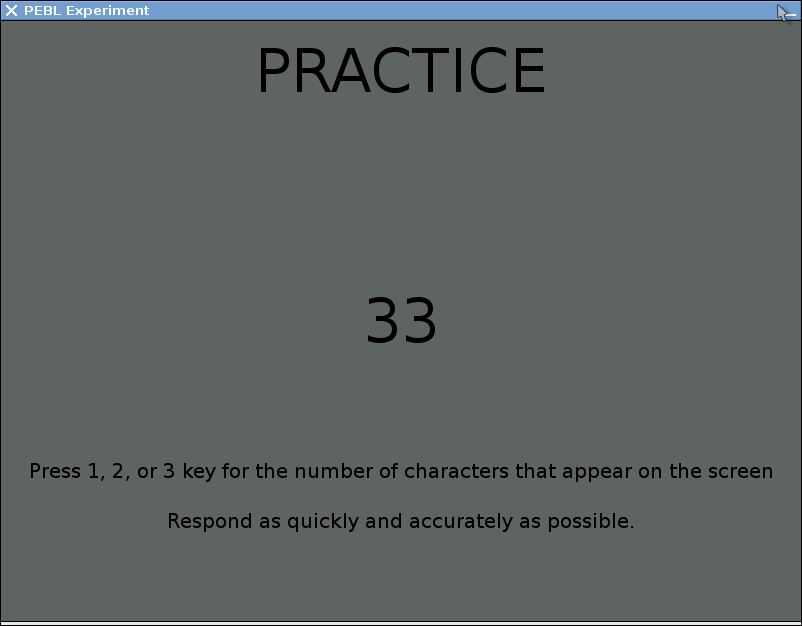
A numerical variant of the Stroop task measuring interference between enumeration and digit reading, requiring participants to report quantity while ignoring digit identity.
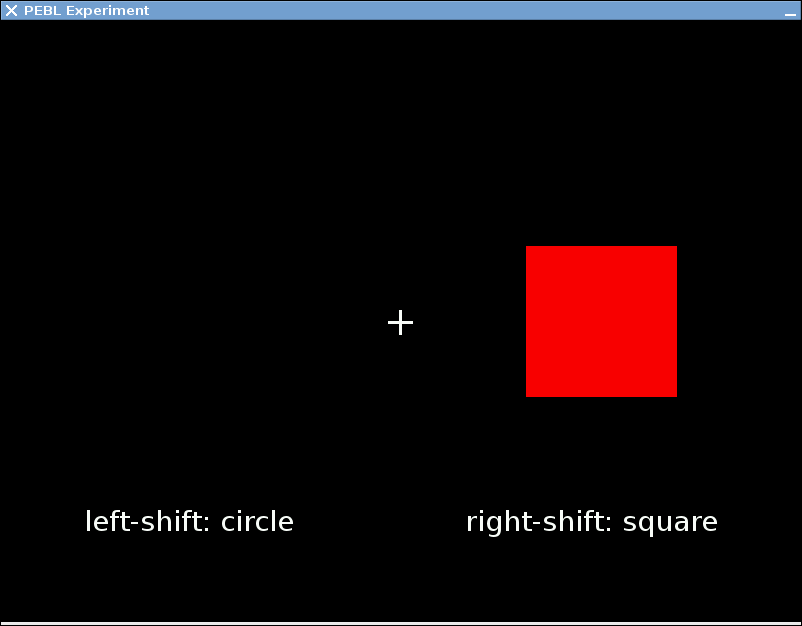
The PEBL OddBall Task. A response conflict task where participants respond to red circles and squares appearing on the left or right side of the screen.
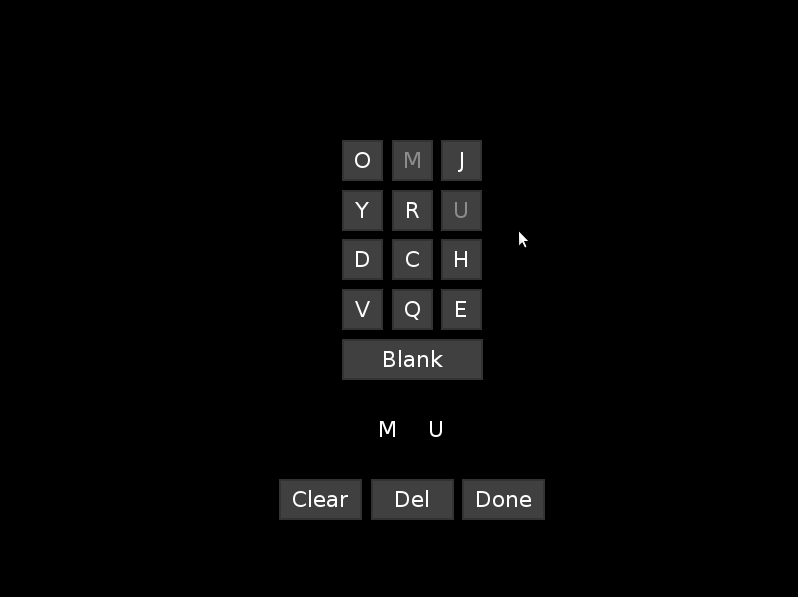
Complex working memory span task that requires participants to remember letters while solving math problems.
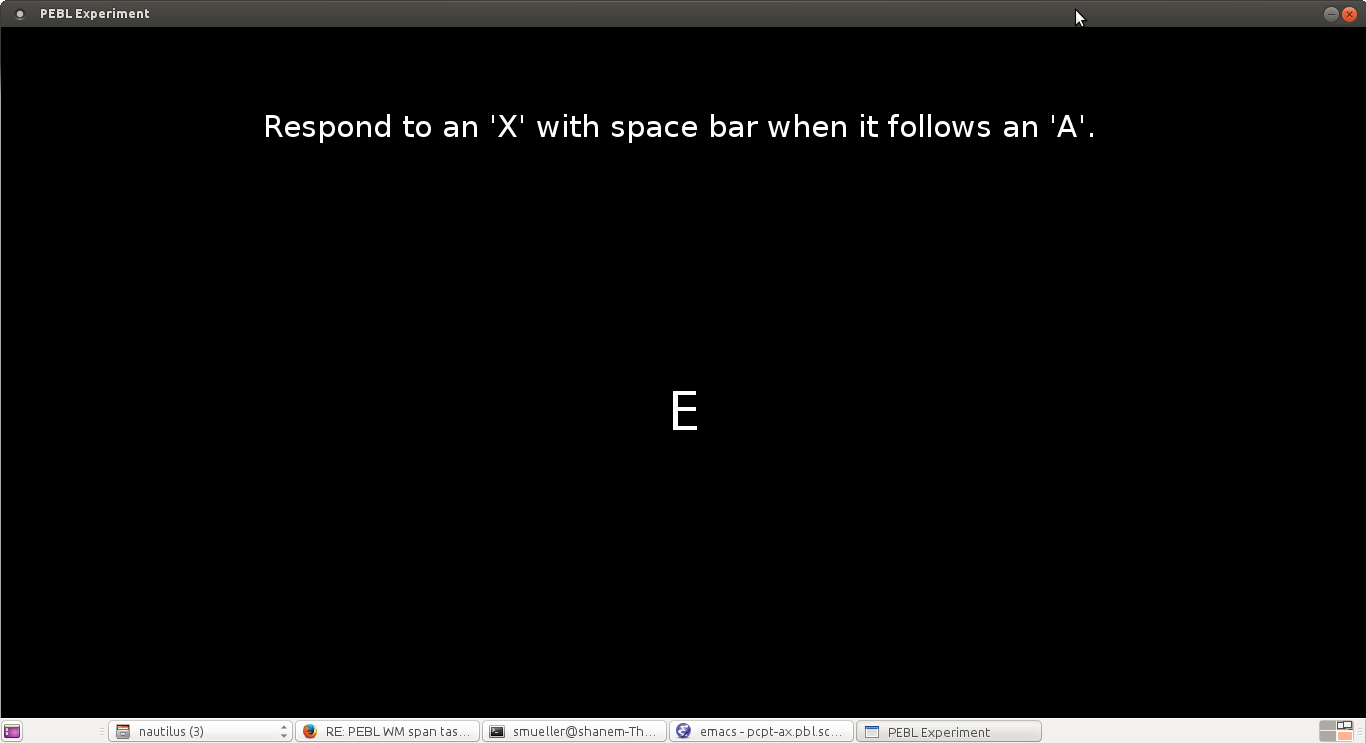
Context-dependent sustained attention task. Respond to 'X' only when it follows 'A'. Measures context processing and response inhibition.
Test of sustained attention. Respond to all letters except 'X' by pressing spacebar. Measures attention lapses and false alarms.
Test of sustained vigilance and reaction time. Respond as quickly as possible when a stimulus appears. In comparison to high-duty vigilance tasks, stimuli occur with long inter-stimulus intervals (30s or more). Widely used in sleep research, as the main DVs measure lapses indicating sleep attacks.
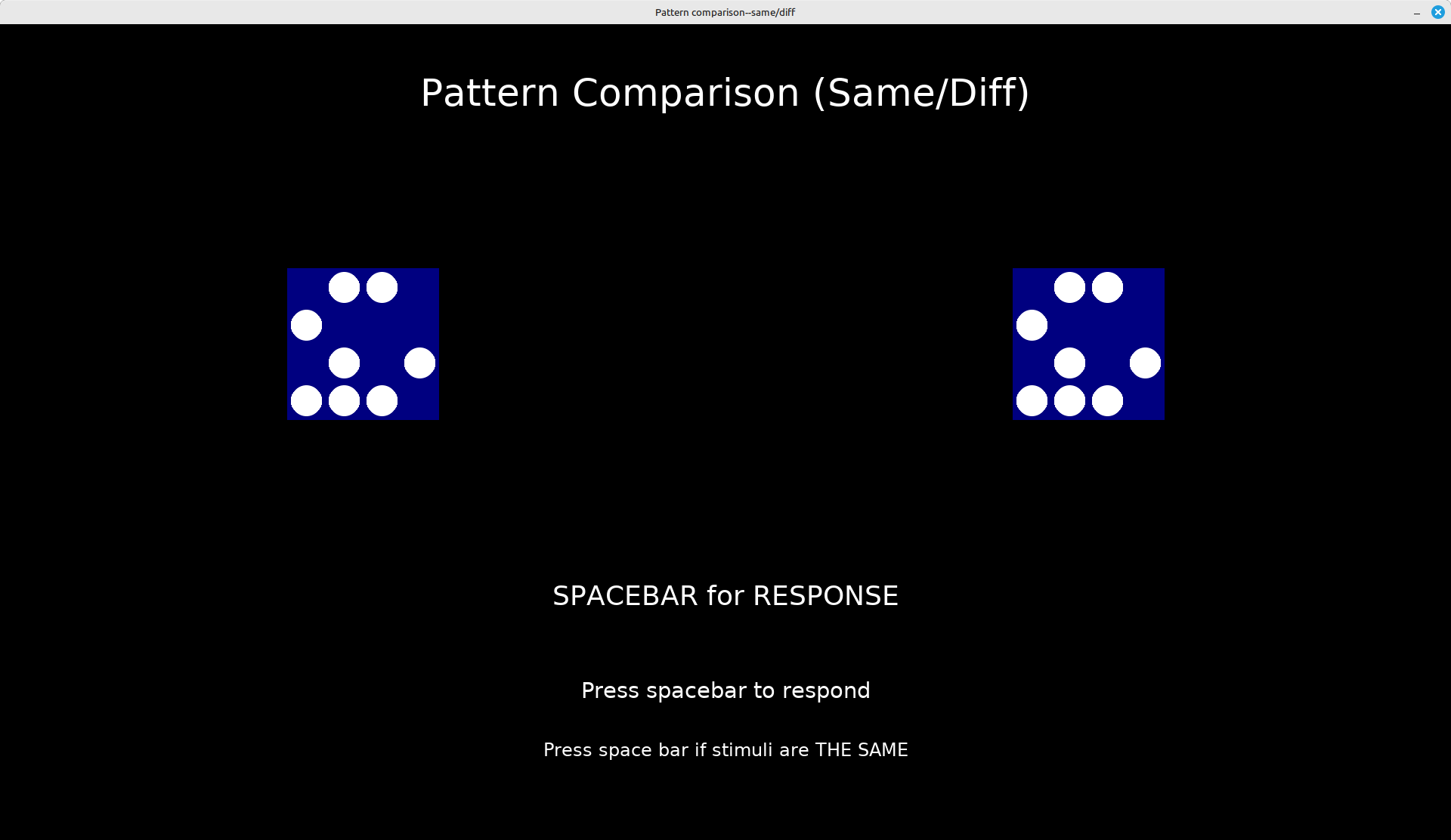
A go/no-go pattern comparison task where two dot patterns are presented simultaneously and participants press the spacebar if they match the target condition.
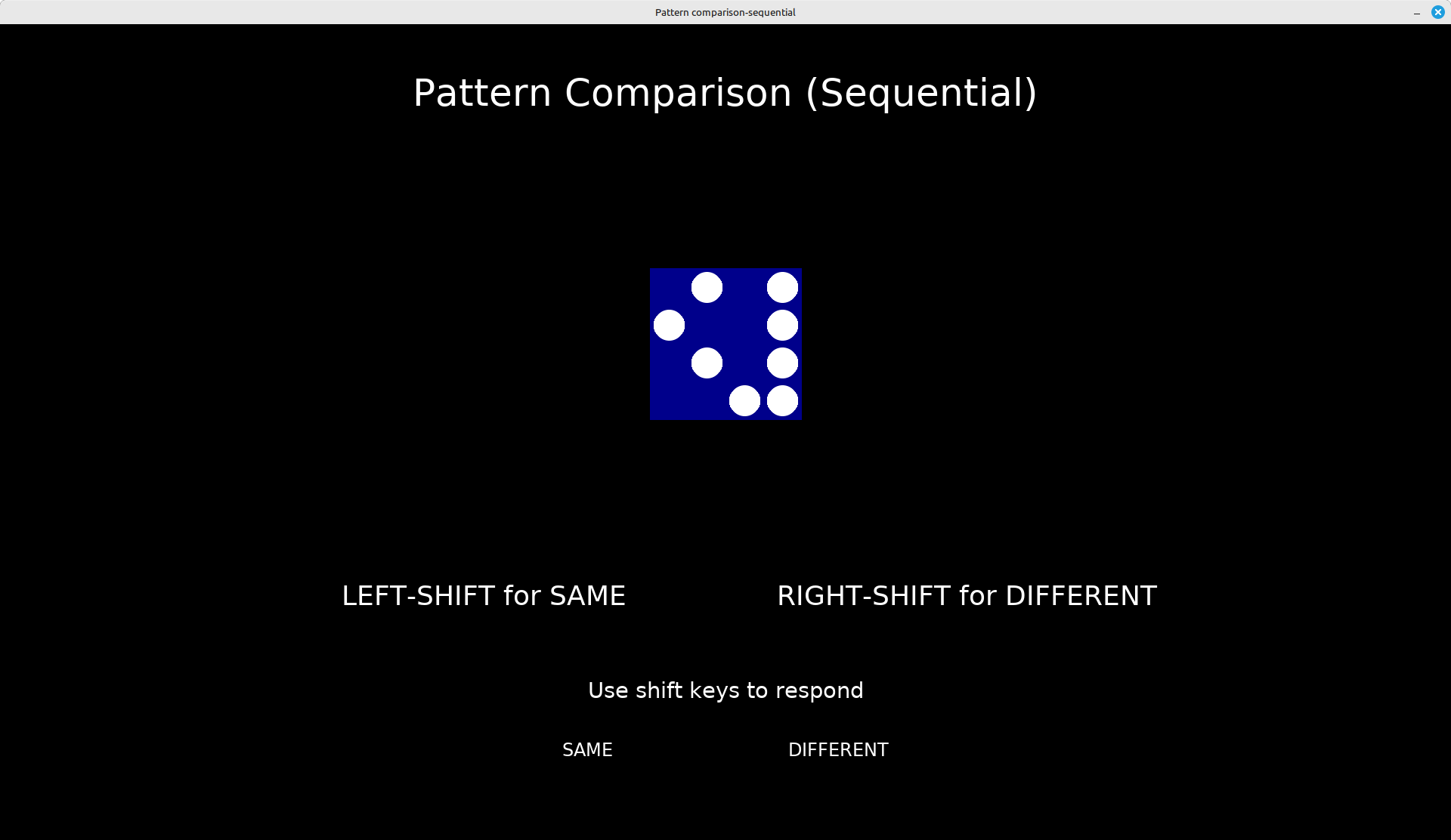
A sequential pattern comparison task where participants memorize a dot pattern and then judge whether a second pattern is the same or different.
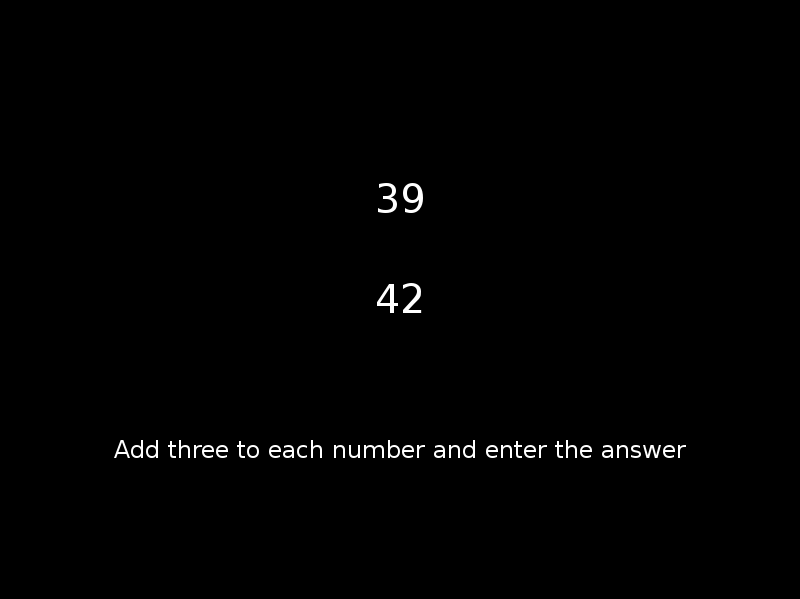
A set-shifting task where participants add, subtract, and alternate between adding and subtracting a number from two-digit stimuli.
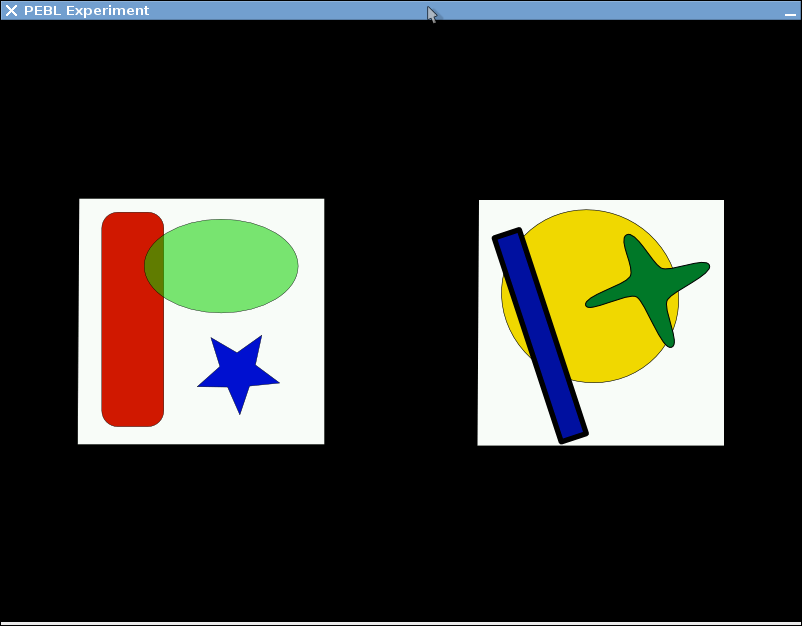
A reversal learning task where participants learn stimulus-response rules that change unpredictably, with probabilistic feedback.
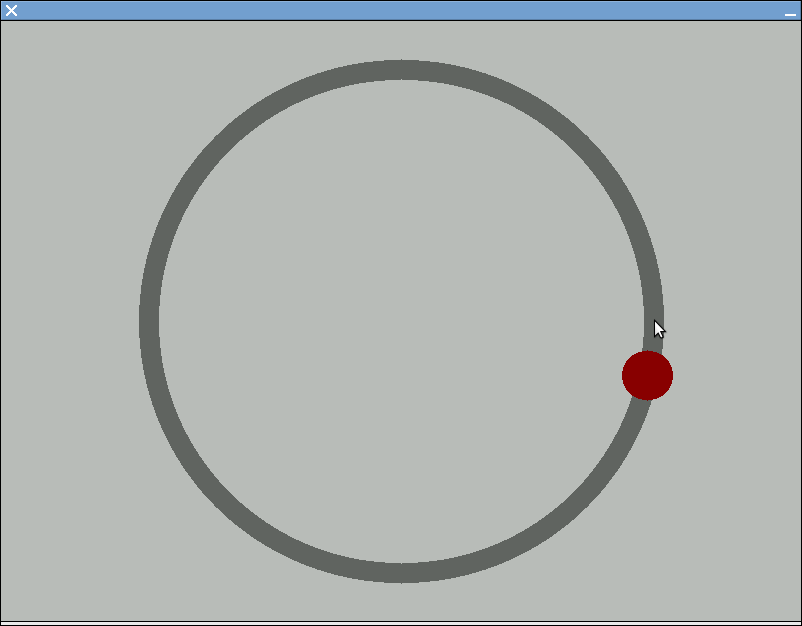
Motor tracking task requiring continuous tracking of a moving target with mouse or touch input. Measures motor coordination and learning.
A task measuring executive function where participants attempt to generate random sequences of digits in time with an auditory/visual pacing signal.
Complex working memory span task requiring participants to remember letters while judging whether sentences make sense.
A 24-item self-report questionnaire measuring transient stress states during task performance
Simon's spatial stimulus-response compatibility task. Participants respond to stimulus color while ignoring its spatial location, demonstrating automatic processing of task-irrelevant spatial information.
No preview available
A simple test script for chain testing that demonstrates upload initialization, parameters, and data file upload functionality.
A simple reaction time task where a single stimulus (an 'X' or mouse button prompt) appears at a specifiable delay from the previous response. Measures basic alertness and motor response speed across multiple blocks with breaks.
A comprehensive battery of 9 working memory span tasks including forward/backward digit/letter/mixed spans and ordering tasks.
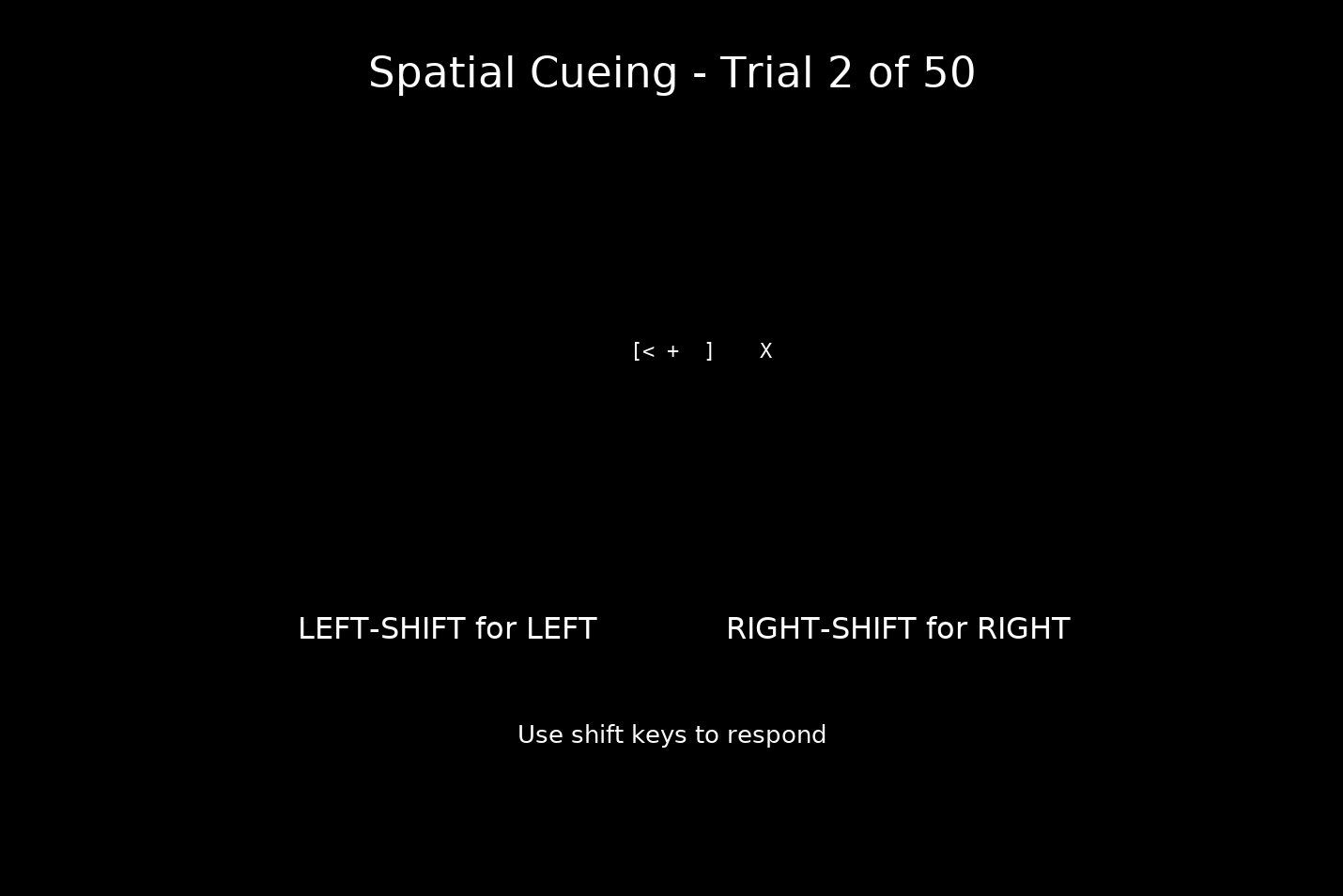
A classic spatial cueing paradigm (Posner's cueing task) measuring attentional orienting via valid, invalid, and neutral cues.
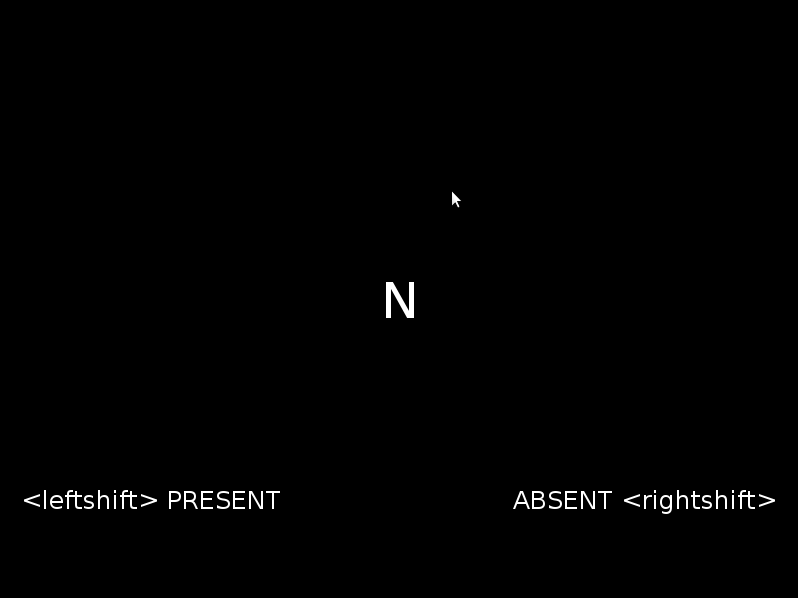
A memory scanning task in which participants memorize a set of letters and then judge whether probe letters were in the memorized set.
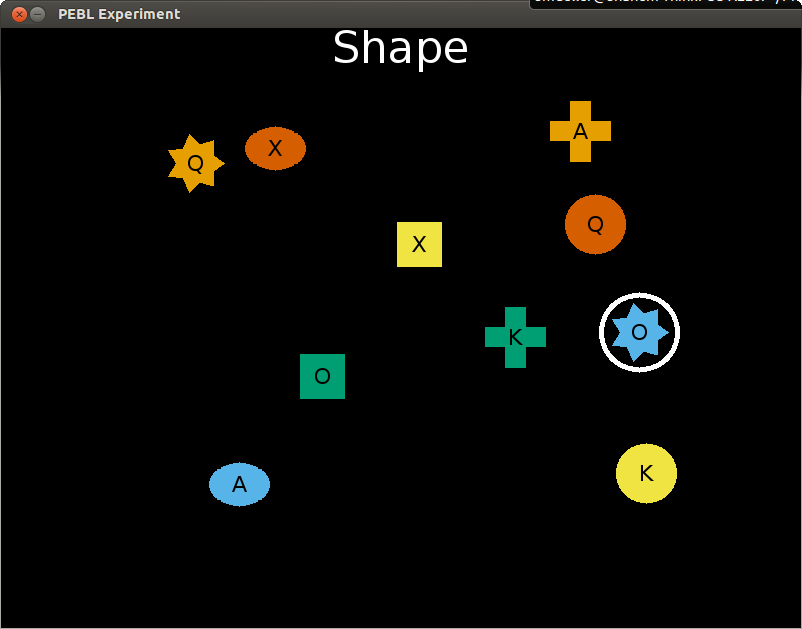
The PEBL Switcher task: A novel task to measure cognitive flexibility and rule switching.
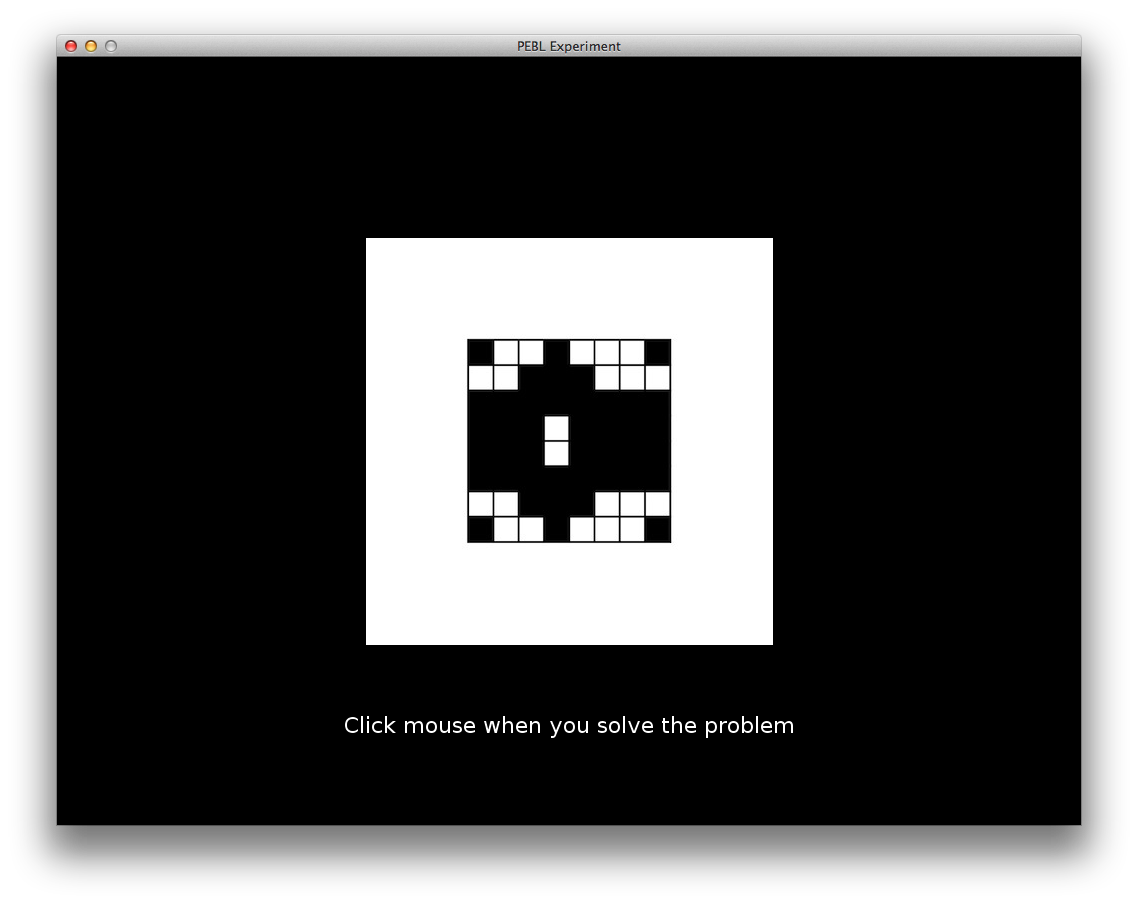
Visuospatial working memory span task requiring participants to remember spatial locations while making symmetry judgments.
A standardized 10-item questionnaire for assessing the perceived usability of systems, interfaces, and products
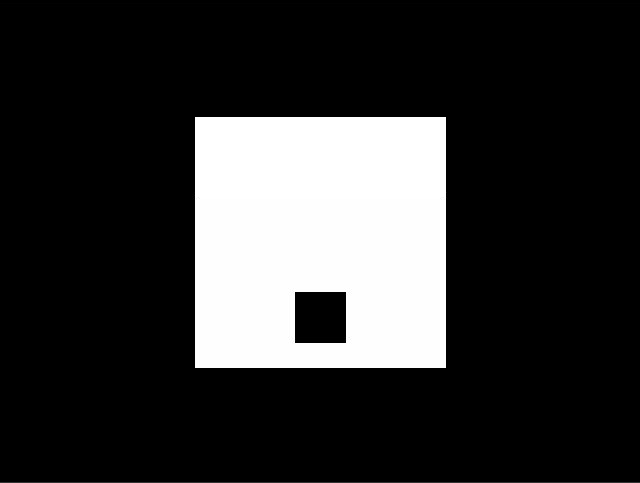
PEBL Test of Attentional Vigilance (TOAV), a version of the TOVA.
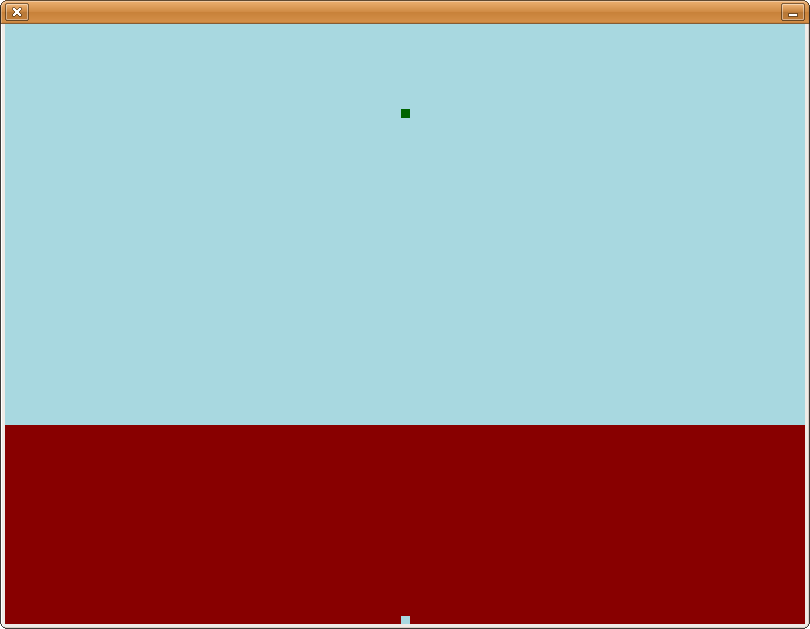
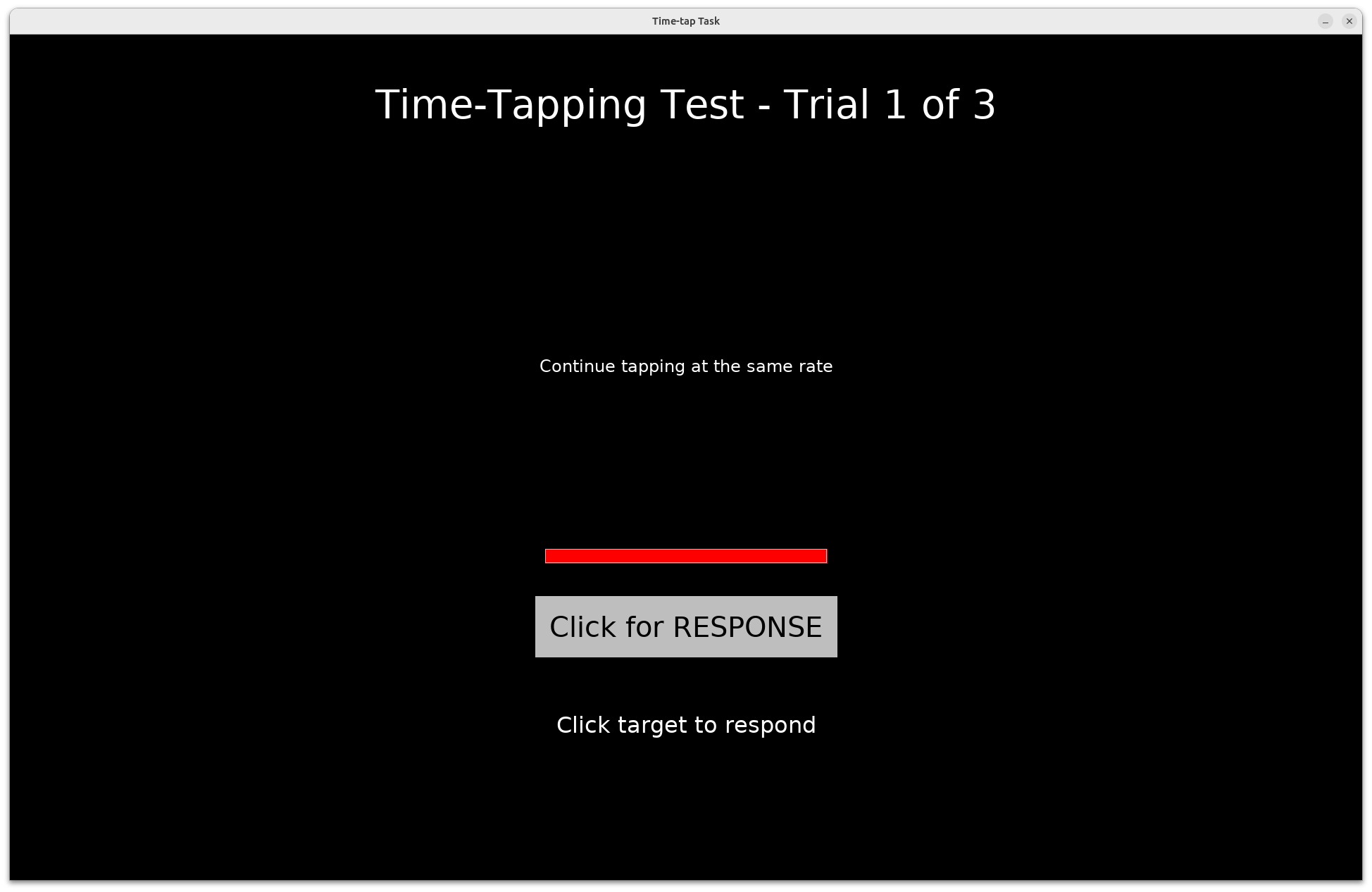
A time estimation task from the UTC test battery (Jerison et al., 1957). A square target descends at constant speed, becomes occluded behind a wall, and participants estimate when it would reach a notch at the bottom. Tests temporal perception and mental extrapolation.
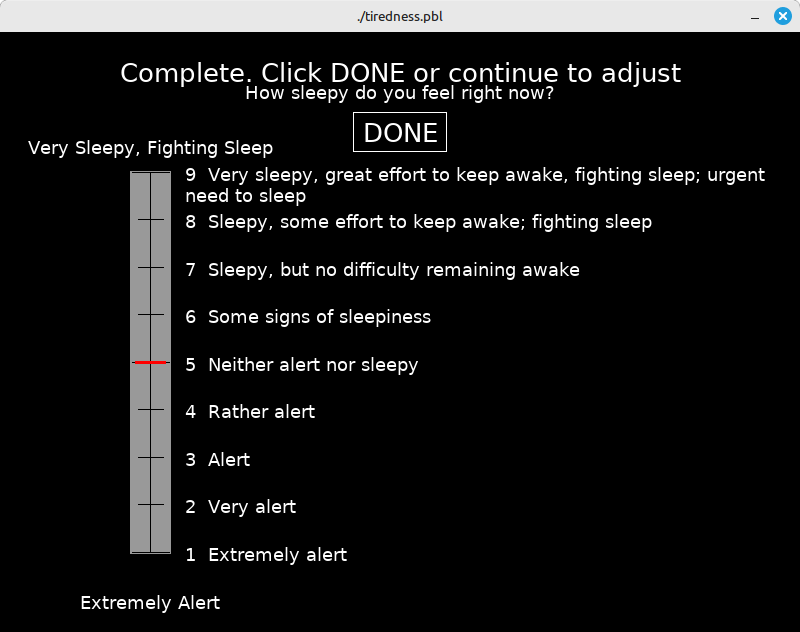
Two sleepiness scales: Karolinska Sleepiness Scale (KSS) and Epworth-inspired Tiredness Scale
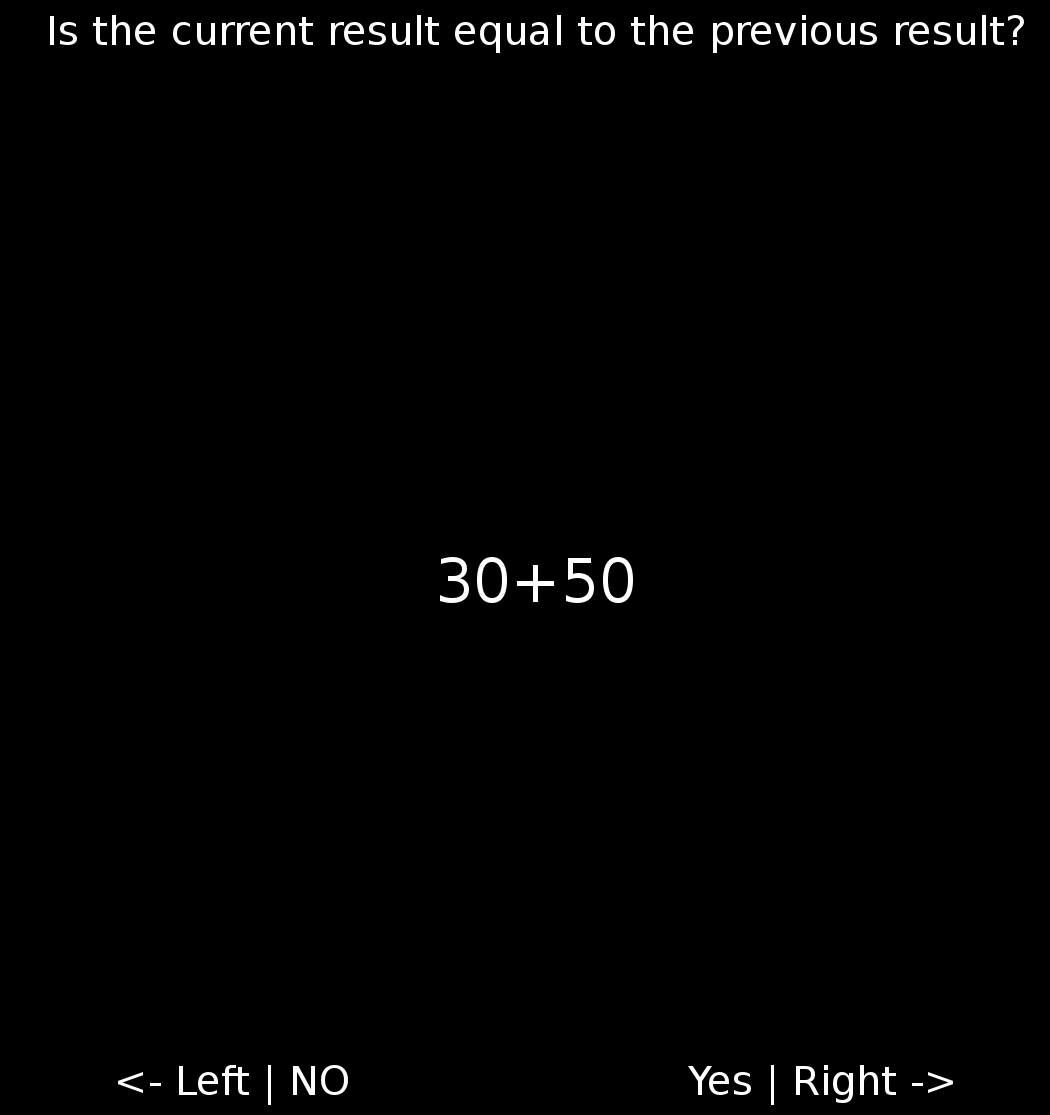
Working memory task that requires participants to monitor and respond to arithmetic problems, comparing current stimuli to those presented n trials back (0-back, 1-back, or 2-back conditions).
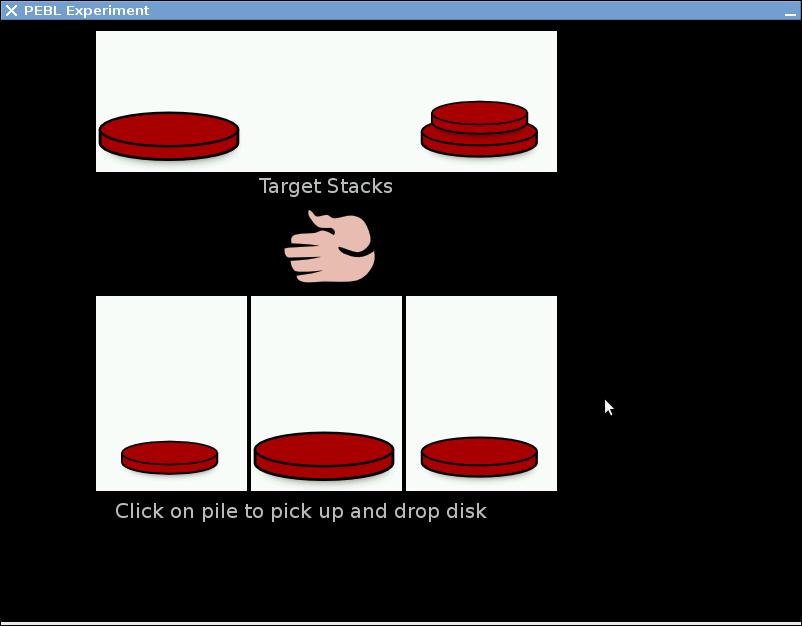
Classic puzzle measuring planning and problem-solving. Move disks between pegs following rules: only one disk at a time, never place larger disk on smaller disk.
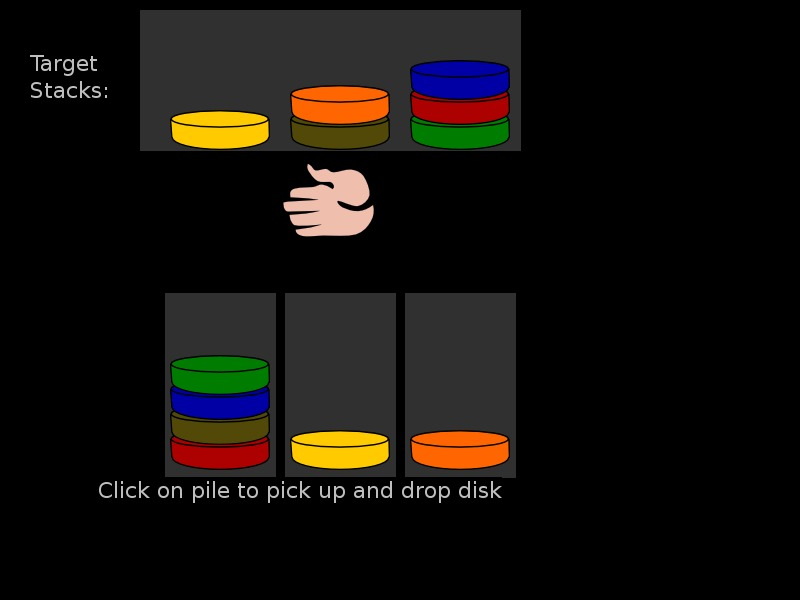
A test of executive function, specifically planning and problem-solving. Participants move colored disks between pegs to match a target configuration.
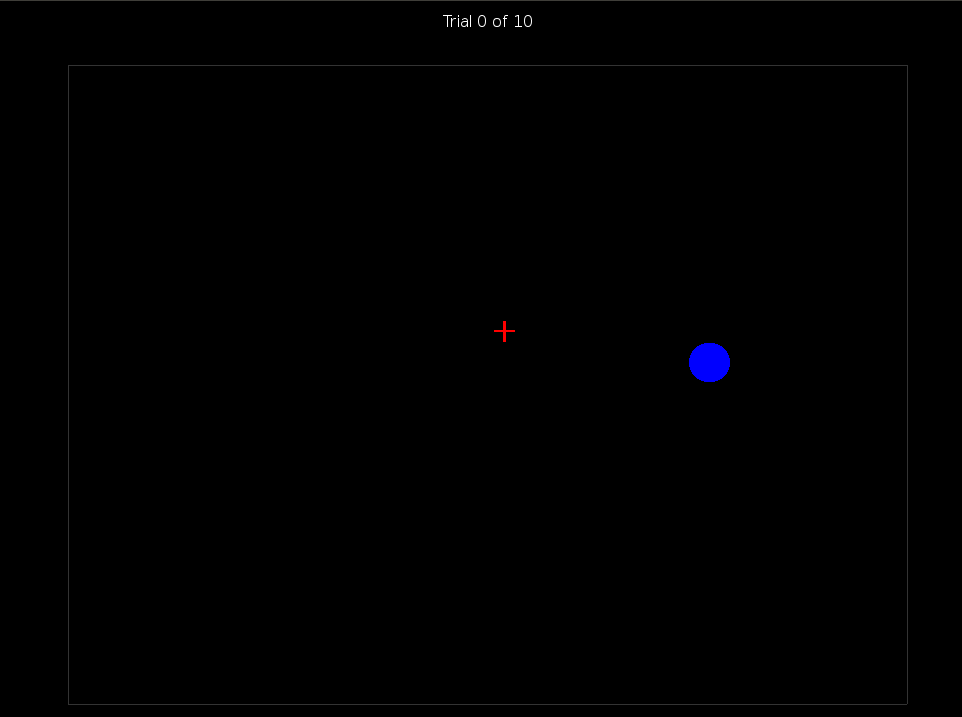
Continuous mouse tracking task measuring visuomotor coordination and sensorimotor adaptation with axis reversal (default configuration)
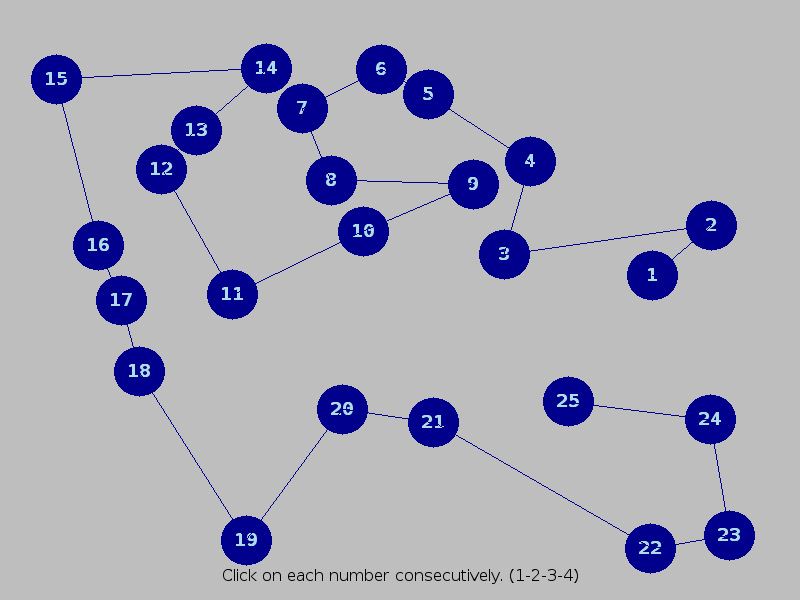
A test of visual search, attention, mental flexibility, and motor function where participants connect numbered or lettered circles in sequence as quickly as possible.
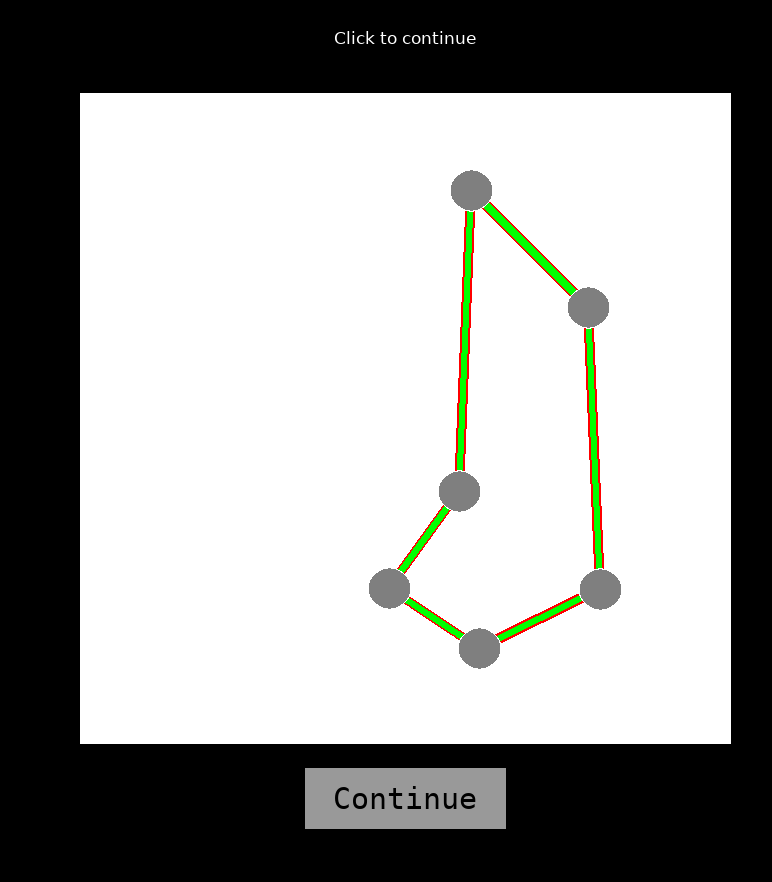
A visual-spatial planning task where participants find the shortest path through a set of points, returning to the starting point, to assess route optimization and spatial reasoning.
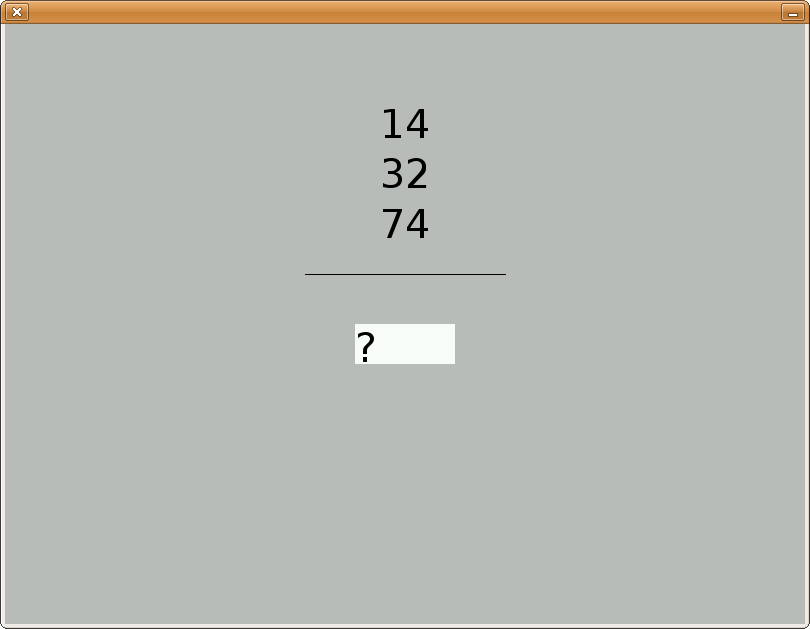
Mental arithmetic task requiring rapid addition of three two-digit numbers presented vertically
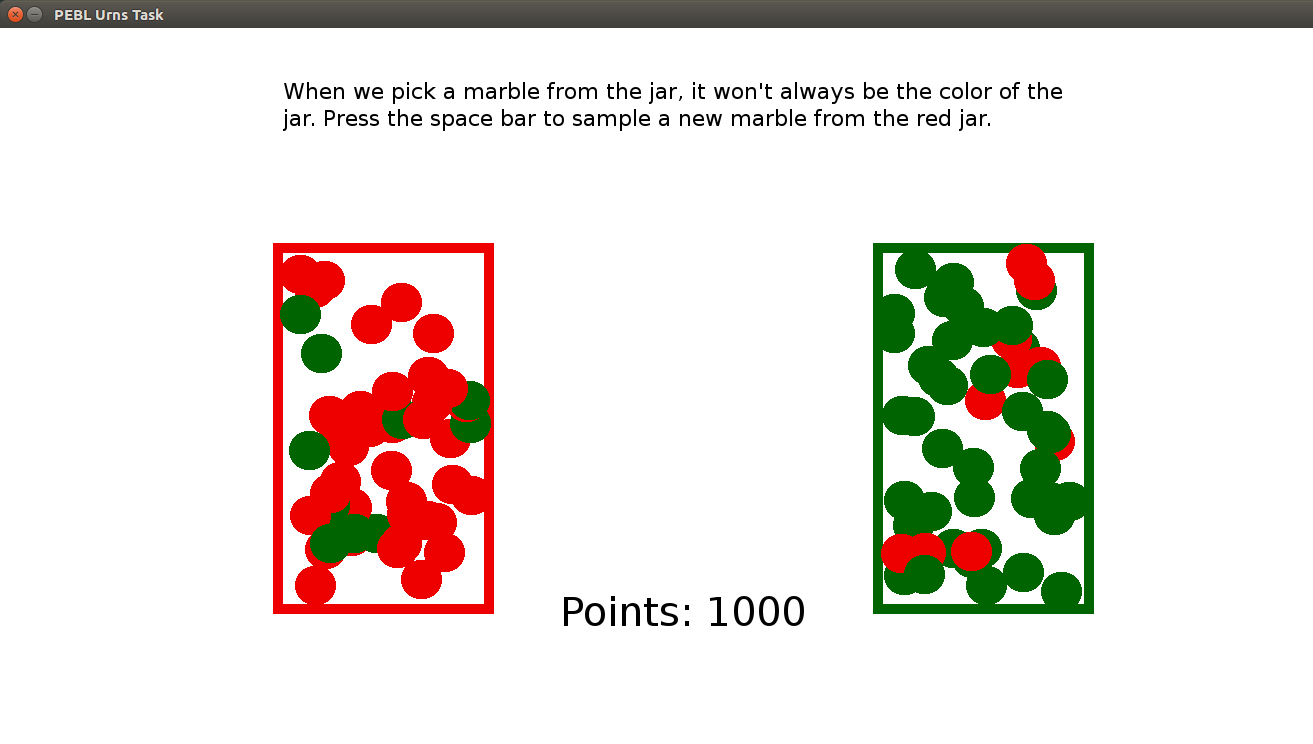
An 'urns' or 'marbles' task examining decision-making under uncertainty and impulsivity. Participants sample colored marbles from a hidden urn and must decide which of two urns (with different color distributions) is being used. More evidence-gathering improves accuracy but costs points.
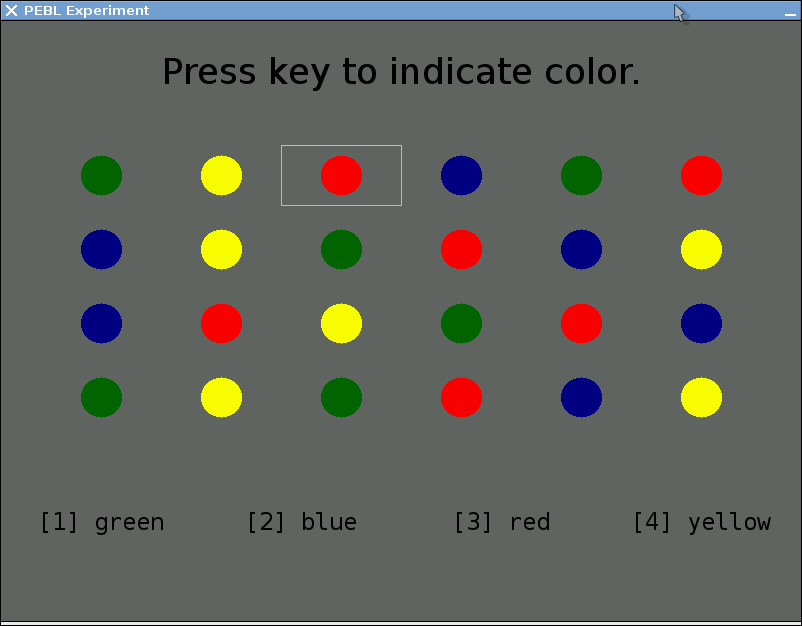
Classic Stroop color-word interference test using the Victoria format with three conditions: color naming, word reading, and color-word interference.
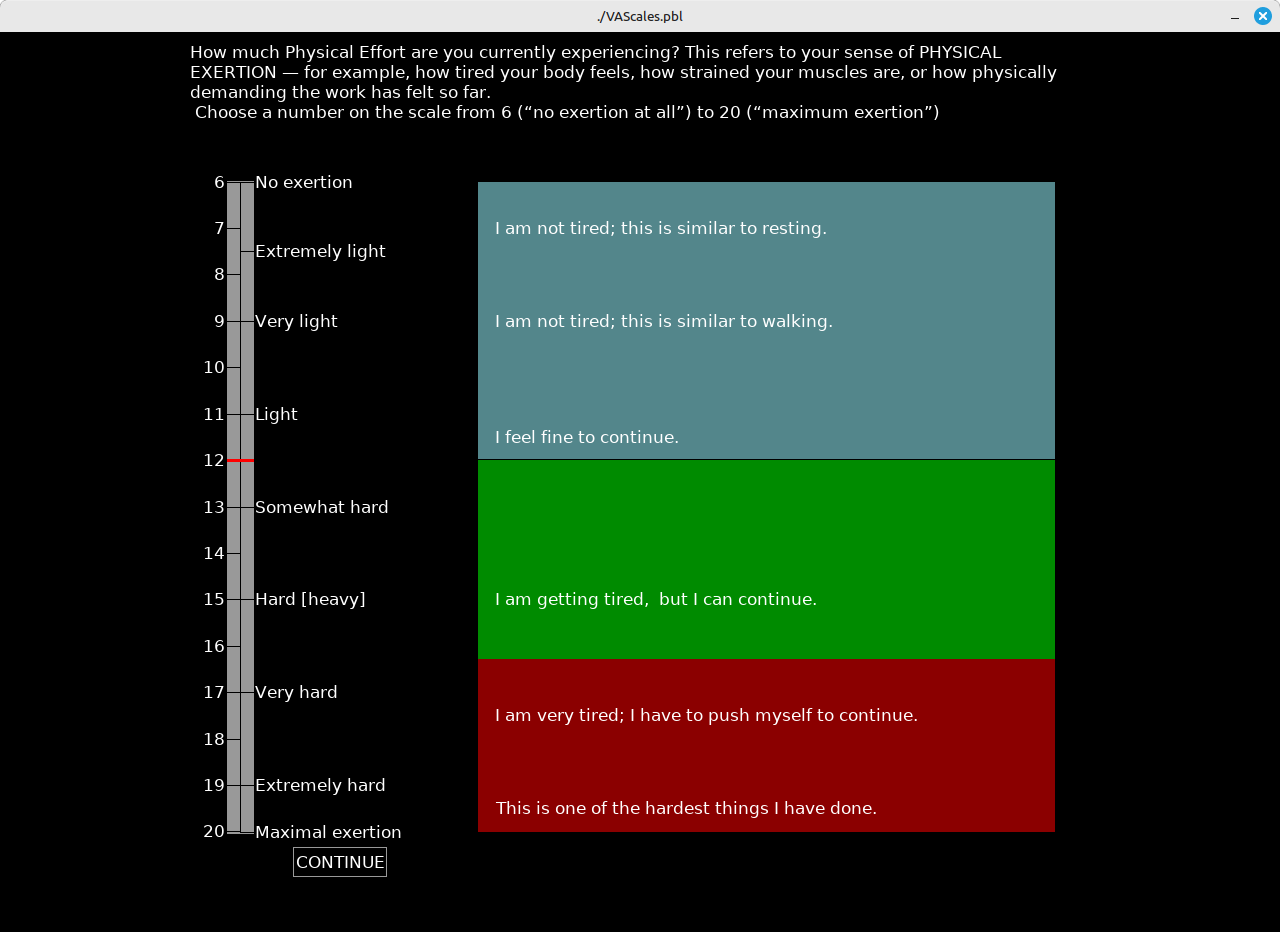
A collection of six Visual Analog Scales (VAS) for measuring comfort, temperature sensation, Mental Exertion (RSME) and physical exertion (Borg's RPE)
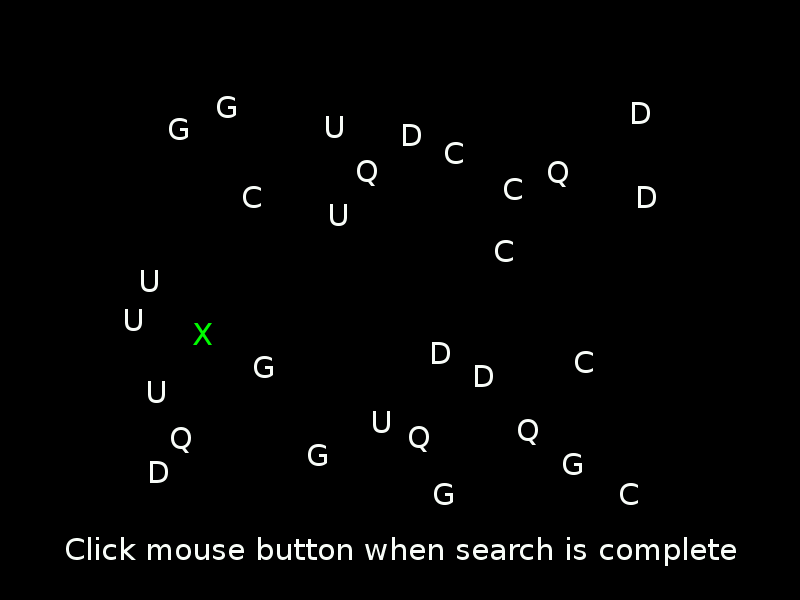
A two-phase visual search paradigm where participants locate target characters among distractors in arrays of varying sizes, with targets defined by character identity and/or color.
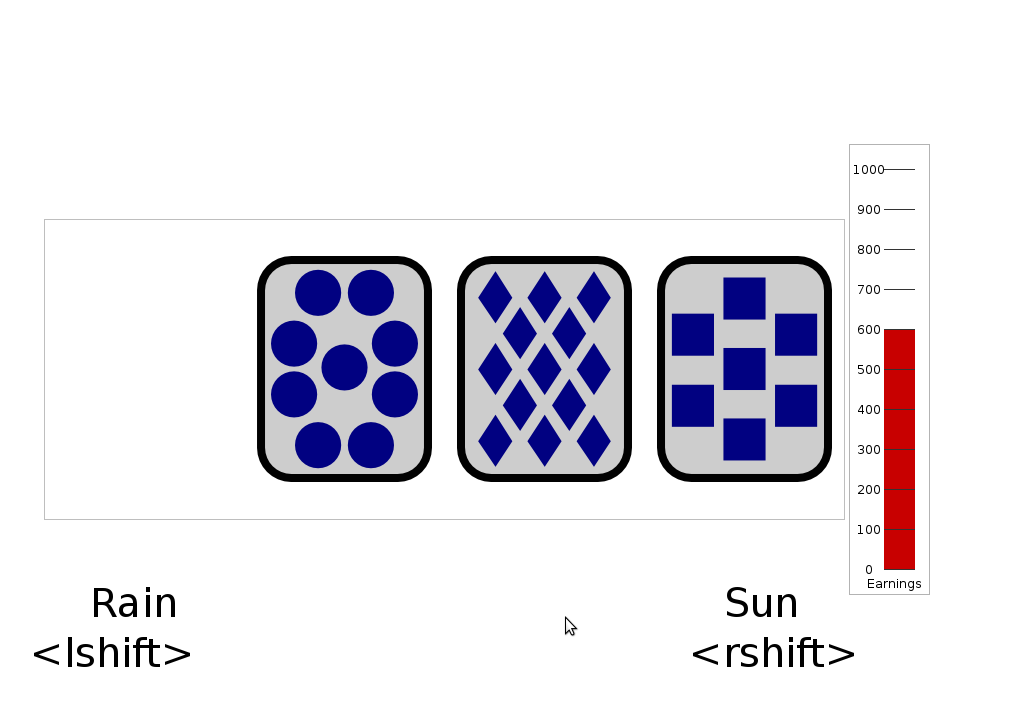
A probabilistic category learning task based on Knowlton et al. (1994). Participants see 1-3 cards with different symbols, each probabilistically predicting sun or rain. Through trial-and-error with feedback, participants learn which cards predict which weather outcome. Tests implicit learning and habit formation.