PEBL Test Library
Showing 21 of 80 tests
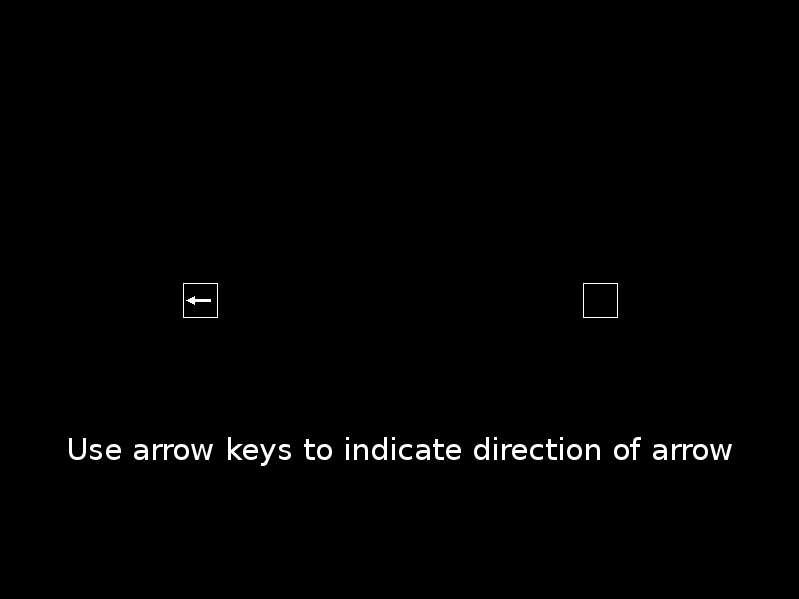
An inhibitory control task requiring participants to suppress the reflexive tendency to look at a peripheral cue. A cue appears on one side of the screen, followed by an arrow target on the opposite side. Participants must indicate the arrow's direction while avoiding looking at the initial cue, which would impair target perception. Involves a screen calibration routine so users can calibrate eccentricity based on paper, ruler, or credit card.
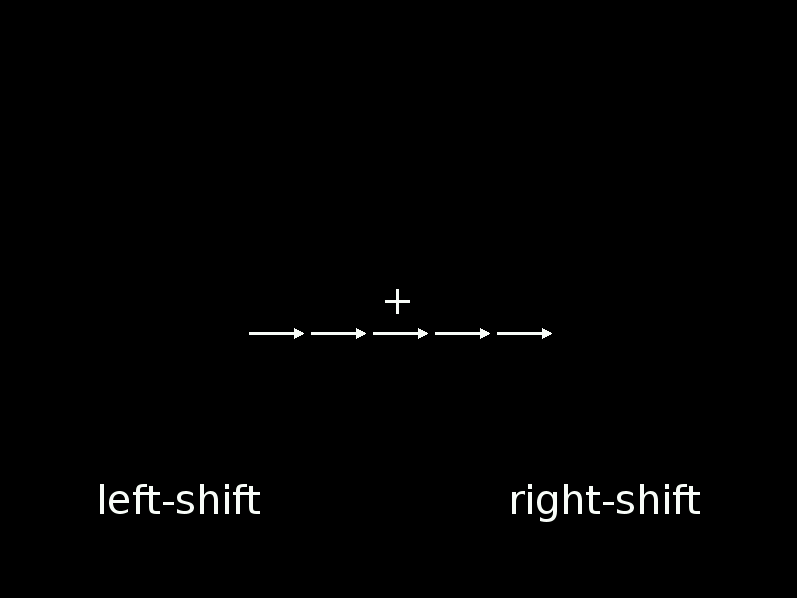
The PEBL Attentional Network Test (PANT) measures the efficiency of three attention networks: alerting, orienting, and executive control. Participants identify the direction of a central arrow while ignoring flanking arrows, with various cuing conditions to assess different attention components.
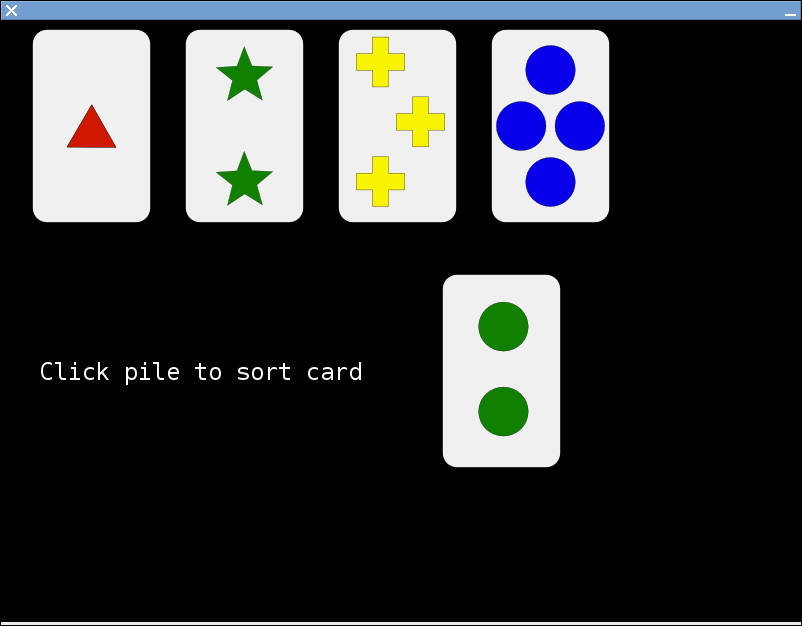
A test of executive function and cognitive flexibility where participants sort cards according to changing rules.
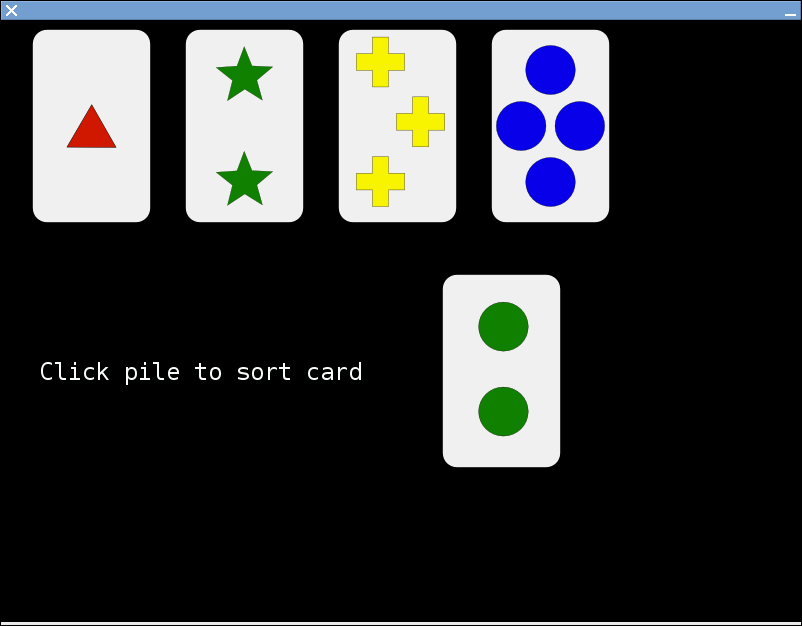
A shorter version of the Berg Card Sorting Test using a 64-card deck instead of the standard 128-card deck, providing a quicker assessment of executive function and cognitive flexibility.
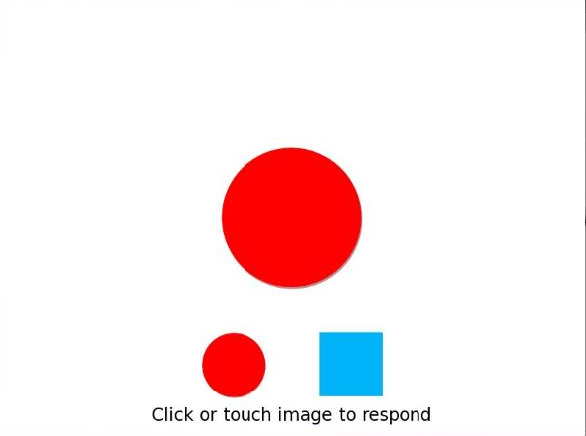
The Bivalent Shape Task Version 1.0 (Esposito et al., 2014). A simple nonverbal dimensional filtering task akin to the stroop task.
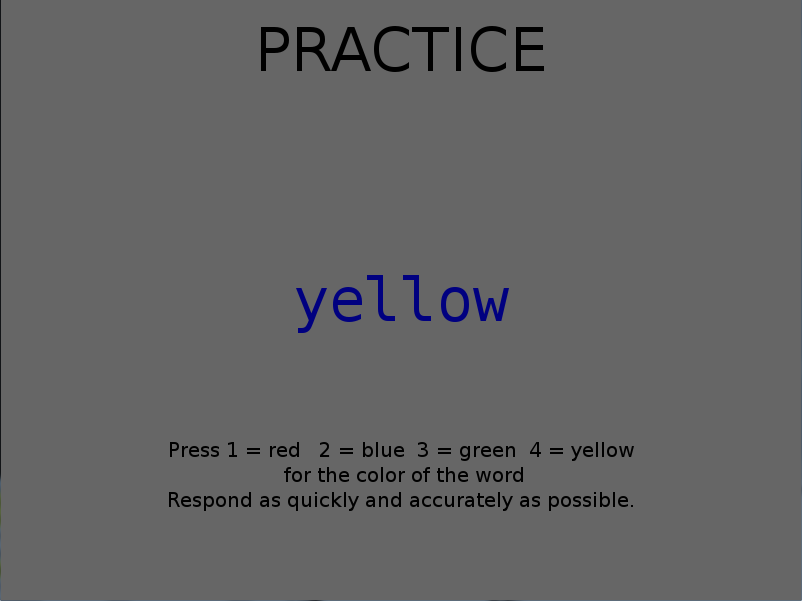
A classic executive function task measuring inhibitory control by requiring participants to name the ink color of color words while ignoring the semantic meaning of the word itself.
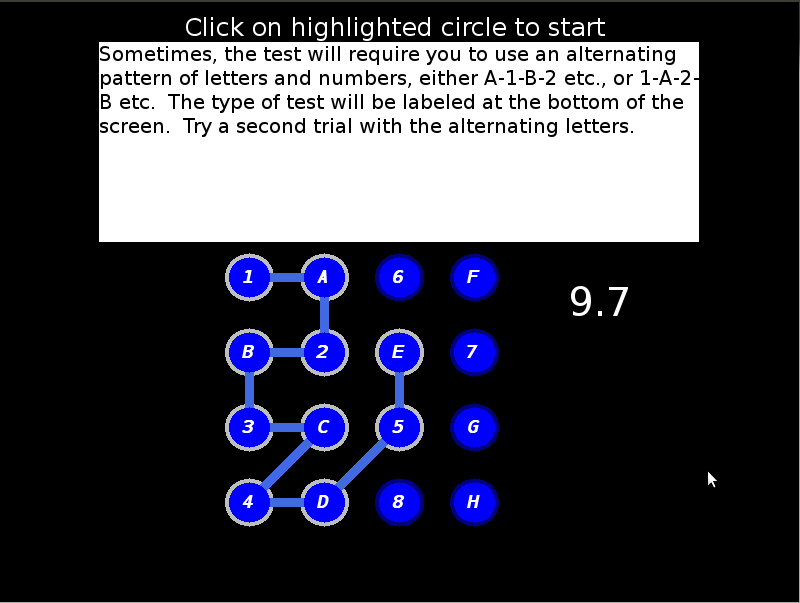
A variant of the Trail Making Test requiring participants to connect circles in sequence using numbers (1-2-3-4), letters (A-B-C-D), or alternating patterns (1-A-2-B or A-1-B-2). Tests cognitive flexibility, task switching, and visual search speed.
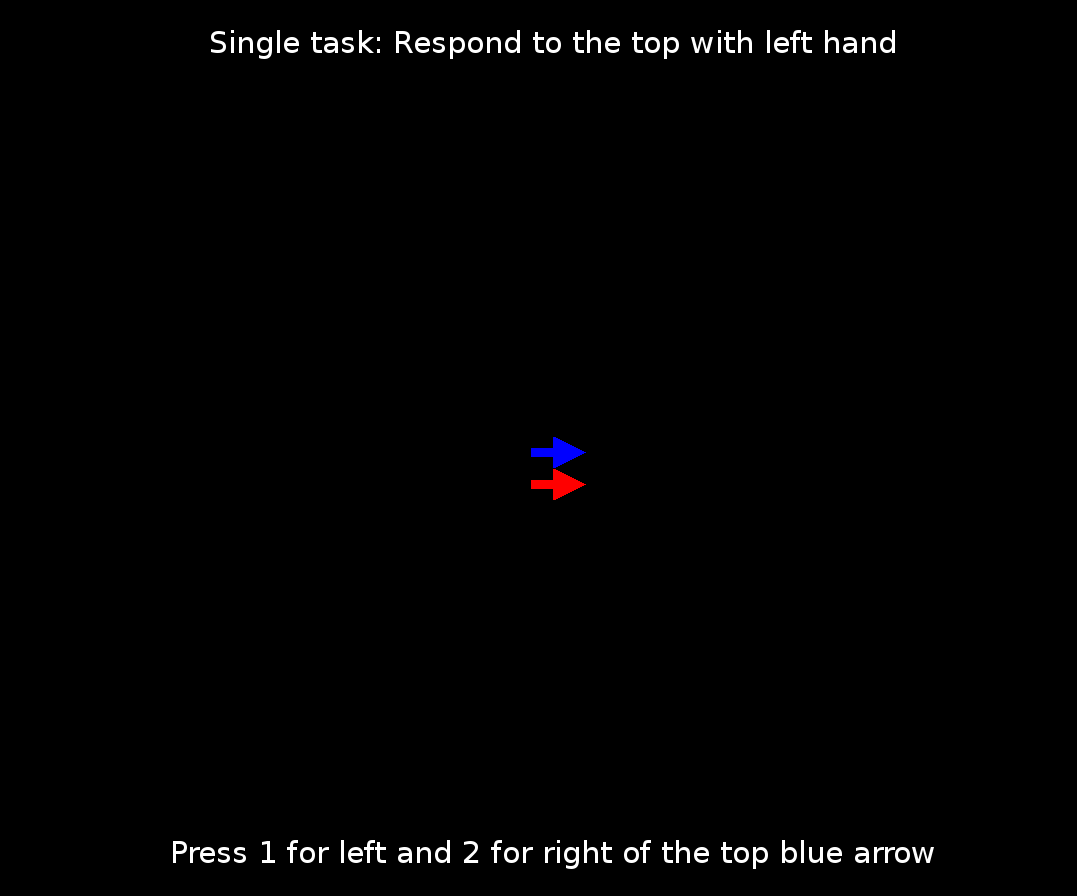
Multi-task performance test measuring dual-task interference by comparing single-task and dual-task performance on two independent response dimensions.
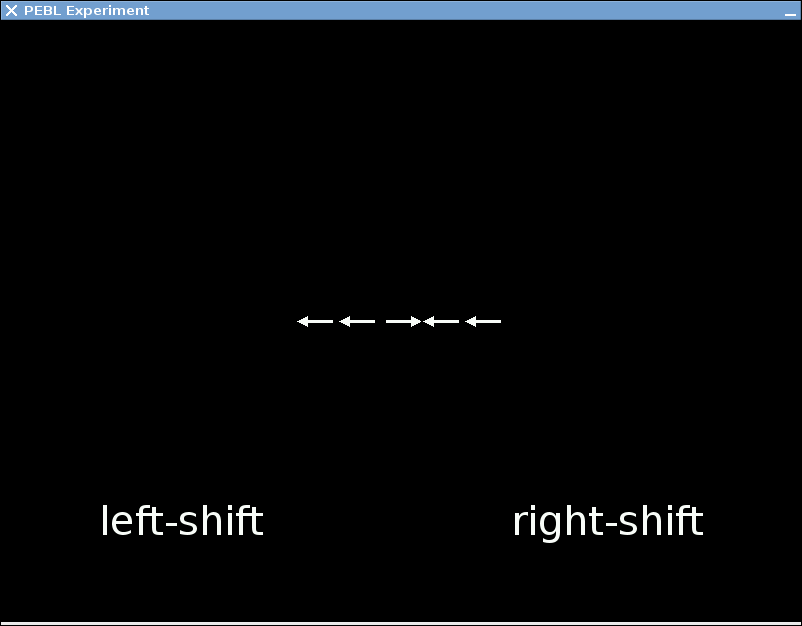
An implementation of the Eriksen Flanker Task, a test of selective attention and response inhibition where participants identify a central target while ignoring flanking distractors.
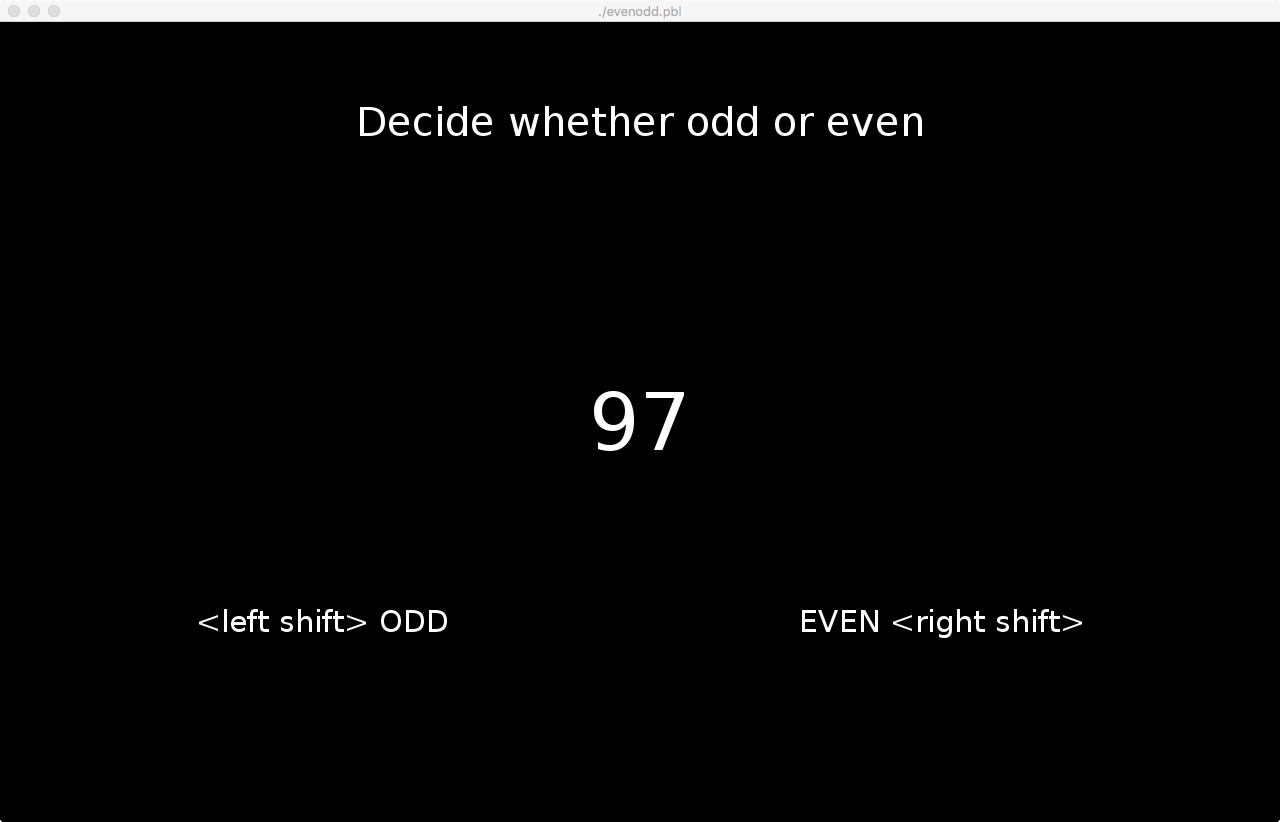
A brief number classification test in which participants judge whether a number is even or odd.
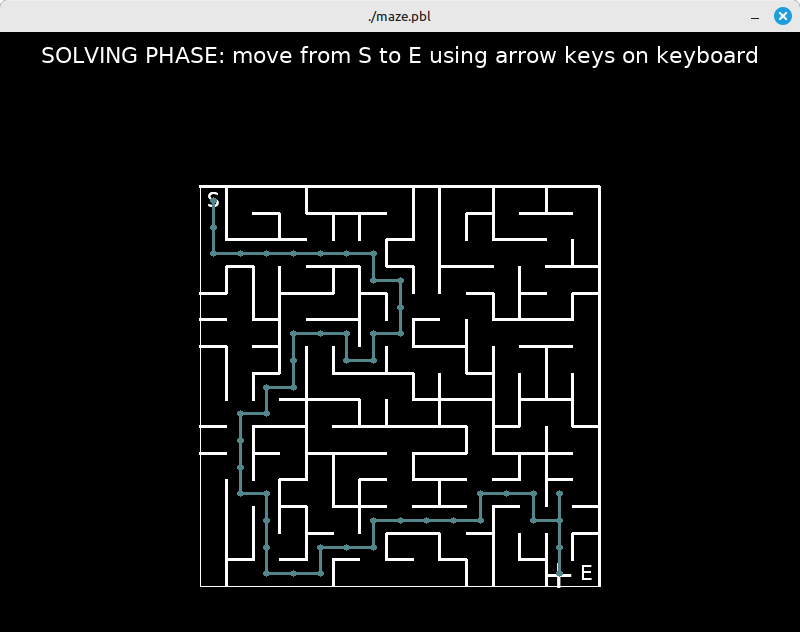
A spatial reasoning and planning task requiring participants to solve mazes by finding the shortest path from start to finish. Uses Kruskal algorithm-generated mazes with guaranteed solutions.
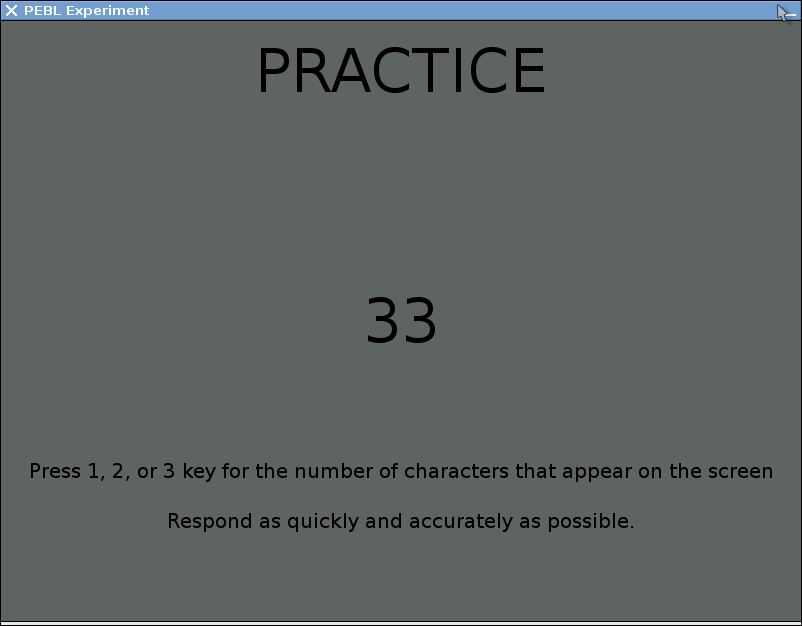
A numerical variant of the Stroop task measuring interference between enumeration and digit reading, requiring participants to report quantity while ignoring digit identity.
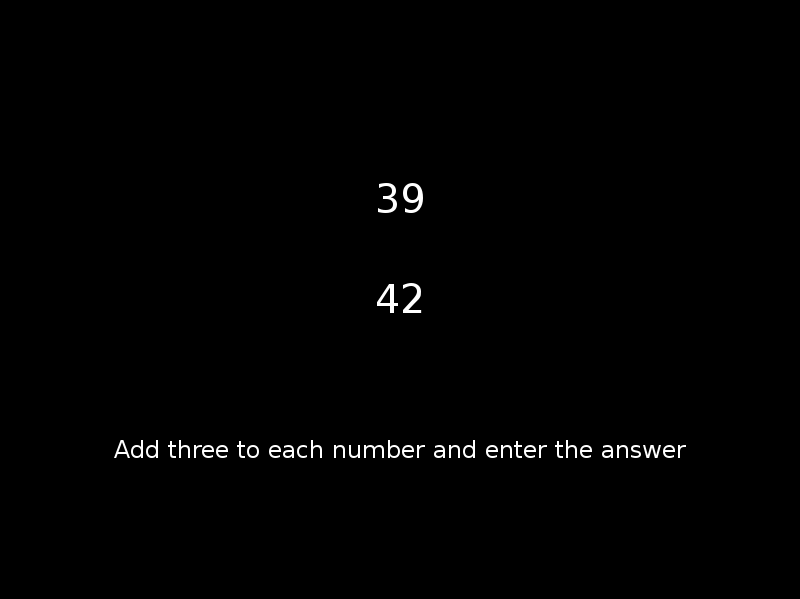
A set-shifting task where participants add, subtract, and alternate between adding and subtracting a number from two-digit stimuli.
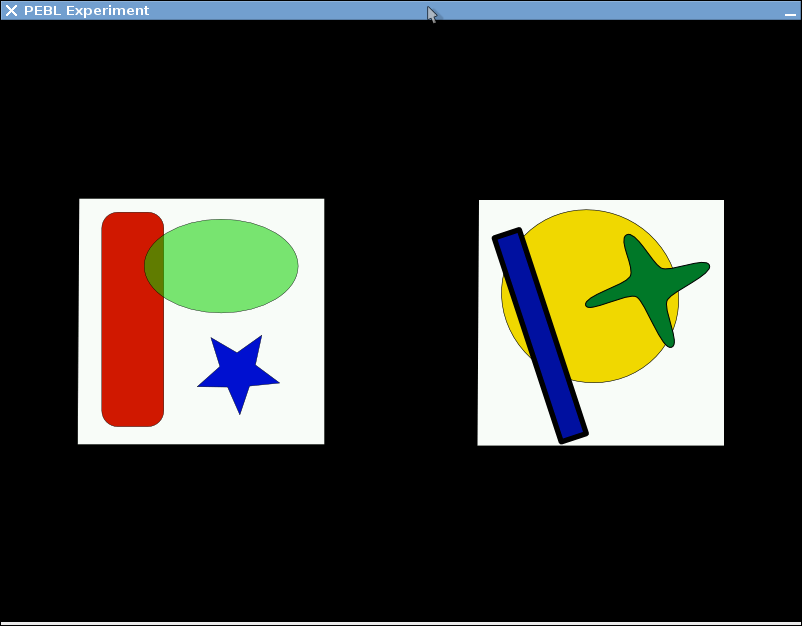
A reversal learning task where participants learn stimulus-response rules that change unpredictably, with probabilistic feedback.
A task measuring executive function where participants attempt to generate random sequences of digits in time with an auditory/visual pacing signal.
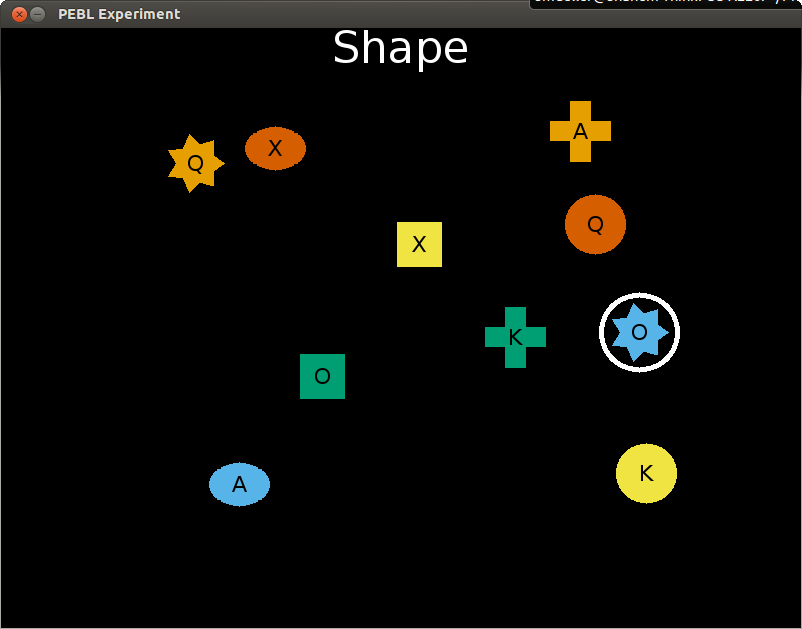
The PEBL Switcher task: A novel task to measure cognitive flexibility and rule switching.
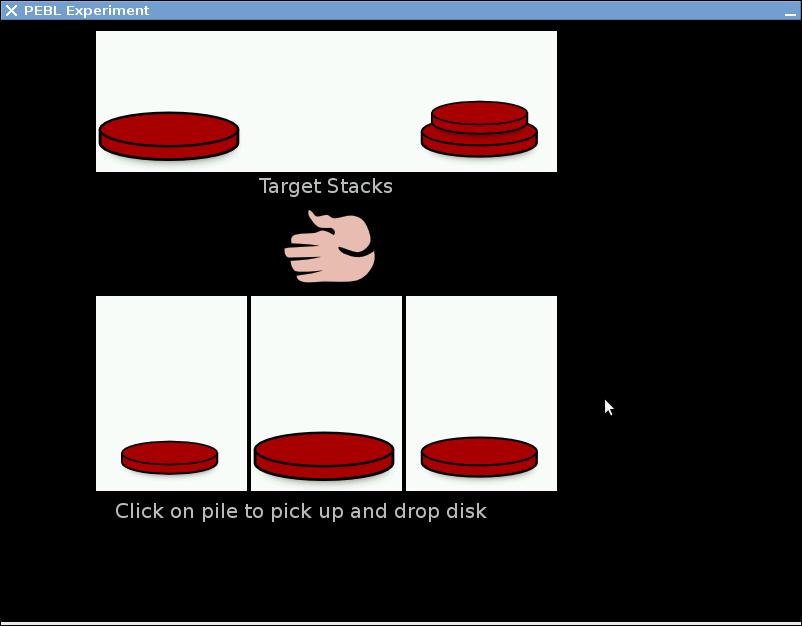
Classic puzzle measuring planning and problem-solving. Move disks between pegs following rules: only one disk at a time, never place larger disk on smaller disk.
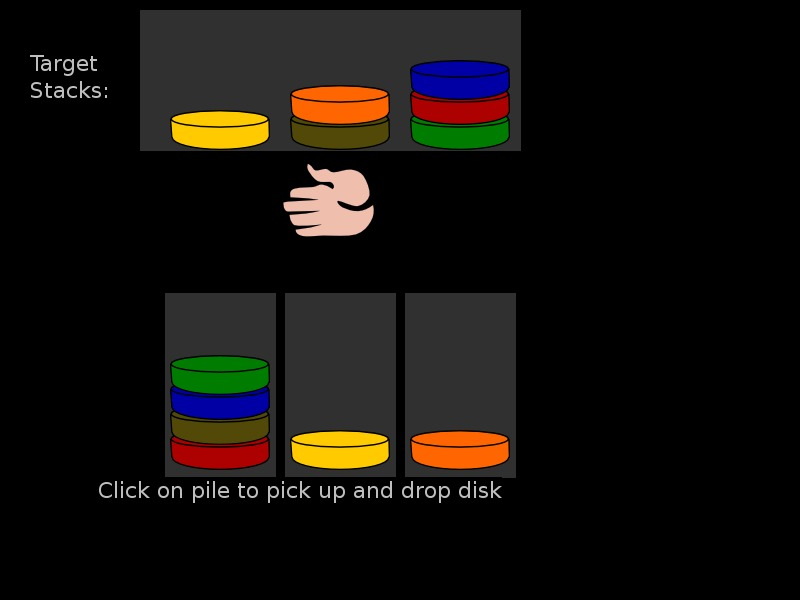
A test of executive function, specifically planning and problem-solving. Participants move colored disks between pegs to match a target configuration.
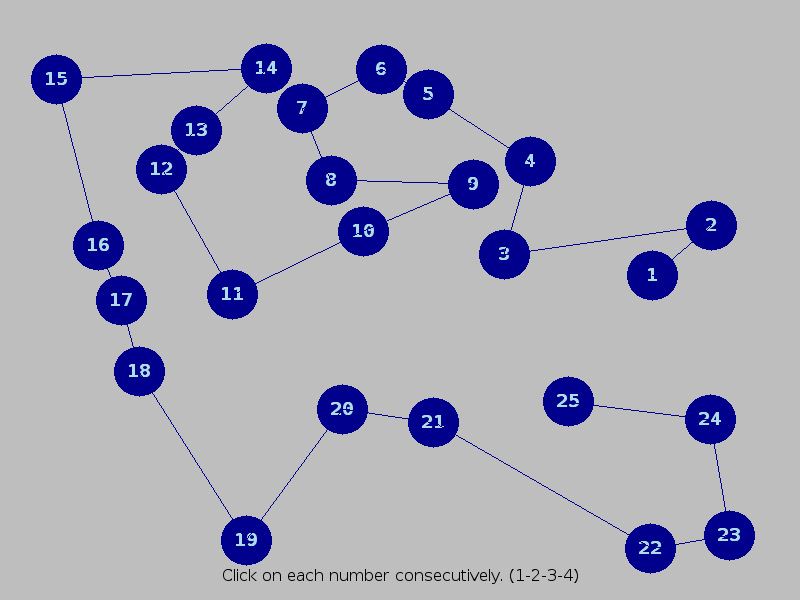
A test of visual search, attention, mental flexibility, and motor function where participants connect numbered or lettered circles in sequence as quickly as possible.
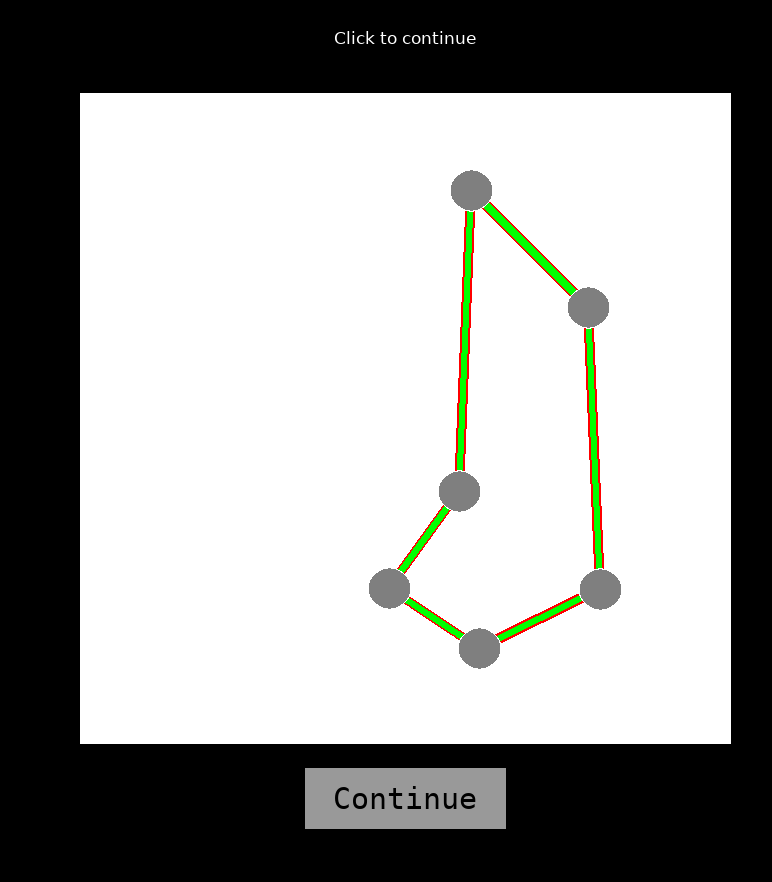
A visual-spatial planning task where participants find the shortest path through a set of points, returning to the starting point, to assess route optimization and spatial reasoning.
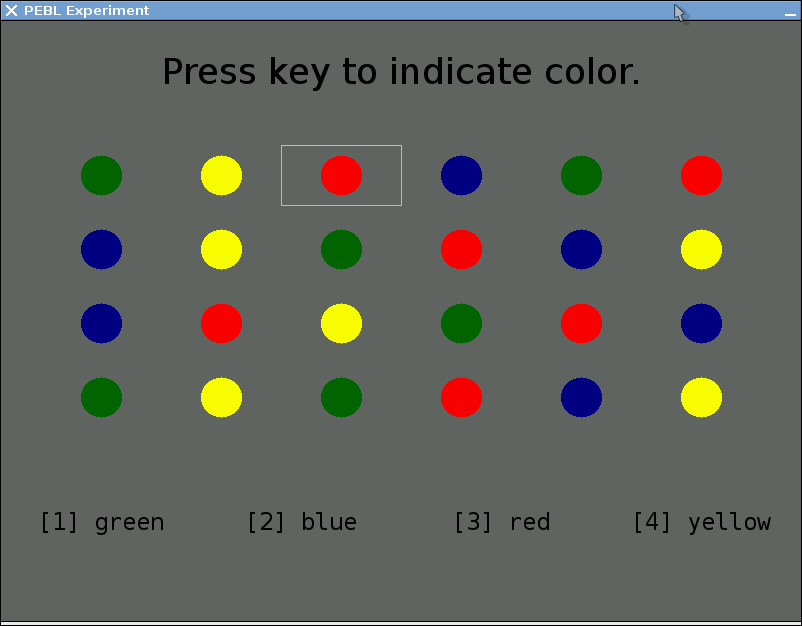
Classic Stroop color-word interference test using the Victoria format with three conditions: color naming, word reading, and color-word interference.